Introduction
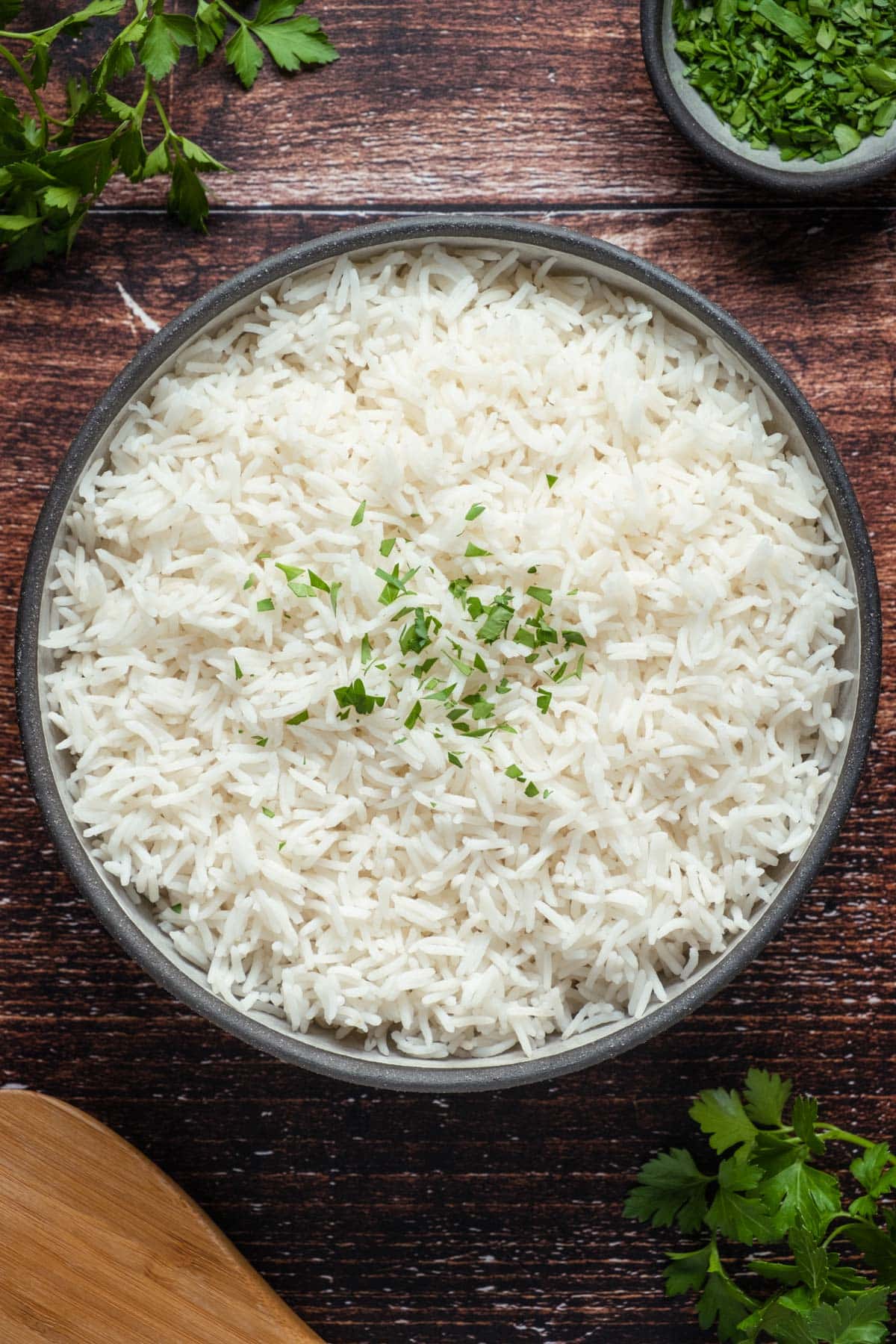
Basmati rice, known for its long grains and nutty flavor, is a staple in many cuisines, particularly Indian and Middle Eastern. Cooking it perfectly can elevate your dishes, making them more authentic and enjoyable. Whether paired with a flavorful curry or served alongside grilled vegetables, perfectly cooked basmati rice is a versatile addition to your meals.
The process of cooking basmati rice might seem daunting at first, but with a few simple techniques, you can achieve fluffy, separate grains every time. The key lies in rinsing, soaking, and the right water-to-rice ratio. Let’s explore how to bring out the best in this aromatic rice.
Ingredients
- 1 cup basmati rice
- 1 1/2 cups water (for stovetop) or as needed
- 1/2 tsp salt (optional)
- 1 tsp oil or vegan butter (optional)
Directions & Preparation
- Begin by rinsing the basmati rice under cold running water. This step removes excess starch and helps prevent the rice from becoming gummy during cooking. Rinse until the water runs clear.
- Soak the rinsed rice in a bowl of water for at least 30 minutes. Soaking helps the grains expand and ultimately leads to a fluffier texture.
- After soaking, drain the rice and set it aside. In a medium saucepan, combine the soaked rice, 1 1/2 cups of water, salt, and oil if using.
- Bring the mixture to a boil over medium-high heat. Once boiling, lower the heat to a simmer and cover the saucepan with a tight-fitting lid.
- Cook for about 15 minutes without lifting the lid. This allows the rice to steam properly, ensuring that it cooks evenly.
- After 15 minutes, remove the saucepan from heat but keep it covered. Let the rice sit for an additional 5-10 minutes to absorb any remaining moisture.
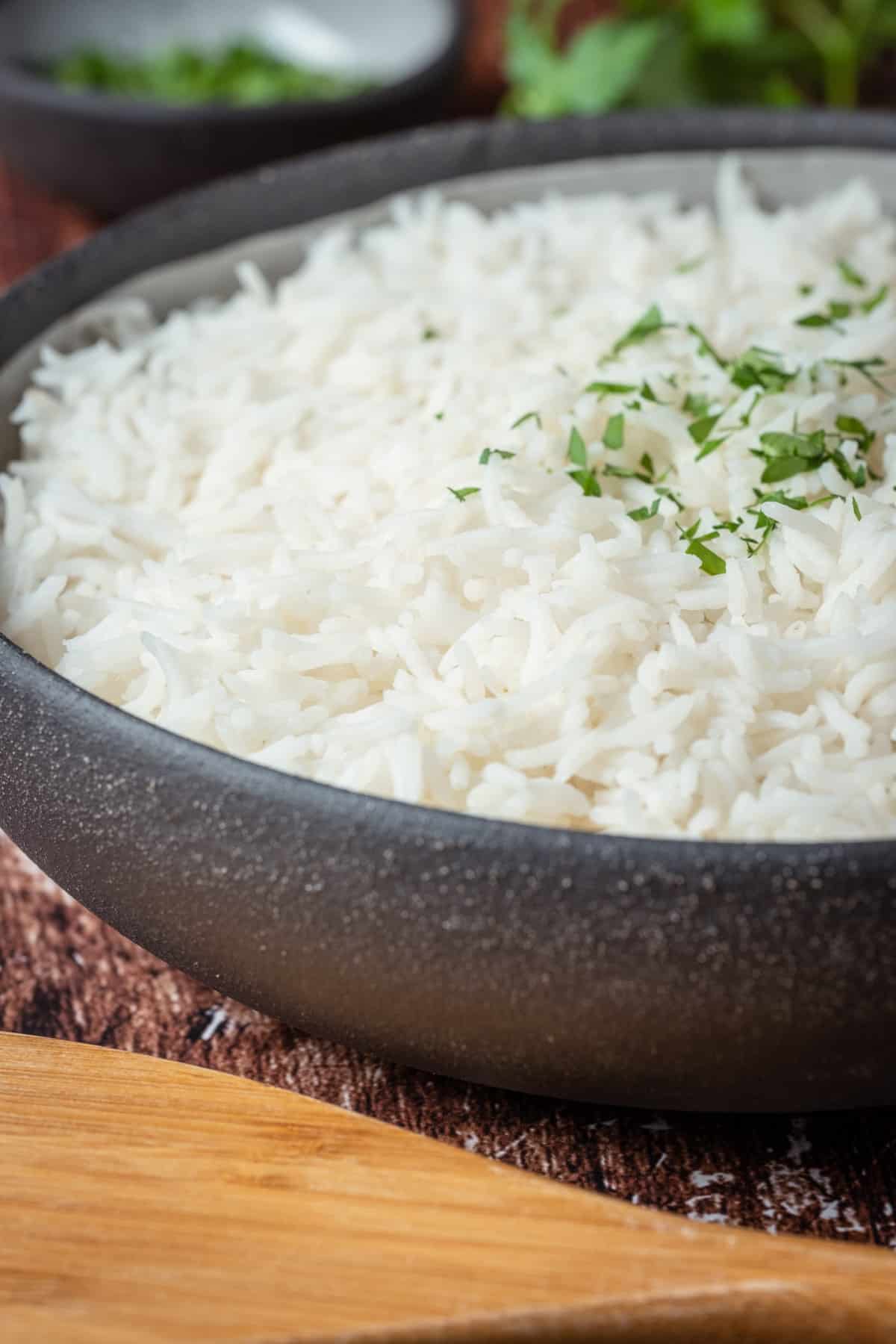
- Finally, fluff the rice gently with a fork before serving. This will separate the grains and enhance the presentation.
FAQs
What if my basmati rice comes out too sticky?
If your rice is sticky, it likely wasn't rinsed enough before cooking. Ensure you rinse the rice until the water is clear next time.
How can I enhance the flavor of the basmati rice?
You can enhance the flavor by adding spices like cardamom or bay leaves to the cooking water.
What can I do if my rice is undercooked?
If the rice is undercooked, add a little more water, cover, and cook for another few minutes on low heat.
Can I use vegetable broth instead of water?
Yes, using vegetable broth will add extra flavor to your basmati rice.
What if I want to cook more rice at once?
You can scale the recipe; use a 1:1.5 rice-to-water ratio regardless of the amount.
Is it necessary to soak basmati rice?
Soaking is recommended as it helps achieve a fluffier texture, but you can skip it in a pinch.
How do I know when the rice is perfectly cooked?
The rice should be tender yet firm, with all the water absorbed. Fluffing it with a fork will help you check the texture.
What are common dishes to serve with basmati rice?
Basmati rice pairs well with curries, stews, and grilled meats, enhancing their flavors.
Conclusion
Cooking basmati rice can be a simple yet rewarding process that enhances your culinary creations. With proper rinsing, soaking, and cooking, you can achieve the perfect texture every time.
Whether you’re preparing a weeknight dinner or an elaborate feast, fluffy basmati rice will undoubtedly impress your family and guests alike. Enjoy experimenting with different flavors and pairings to make the most of this delightful grain.
Recipe Card
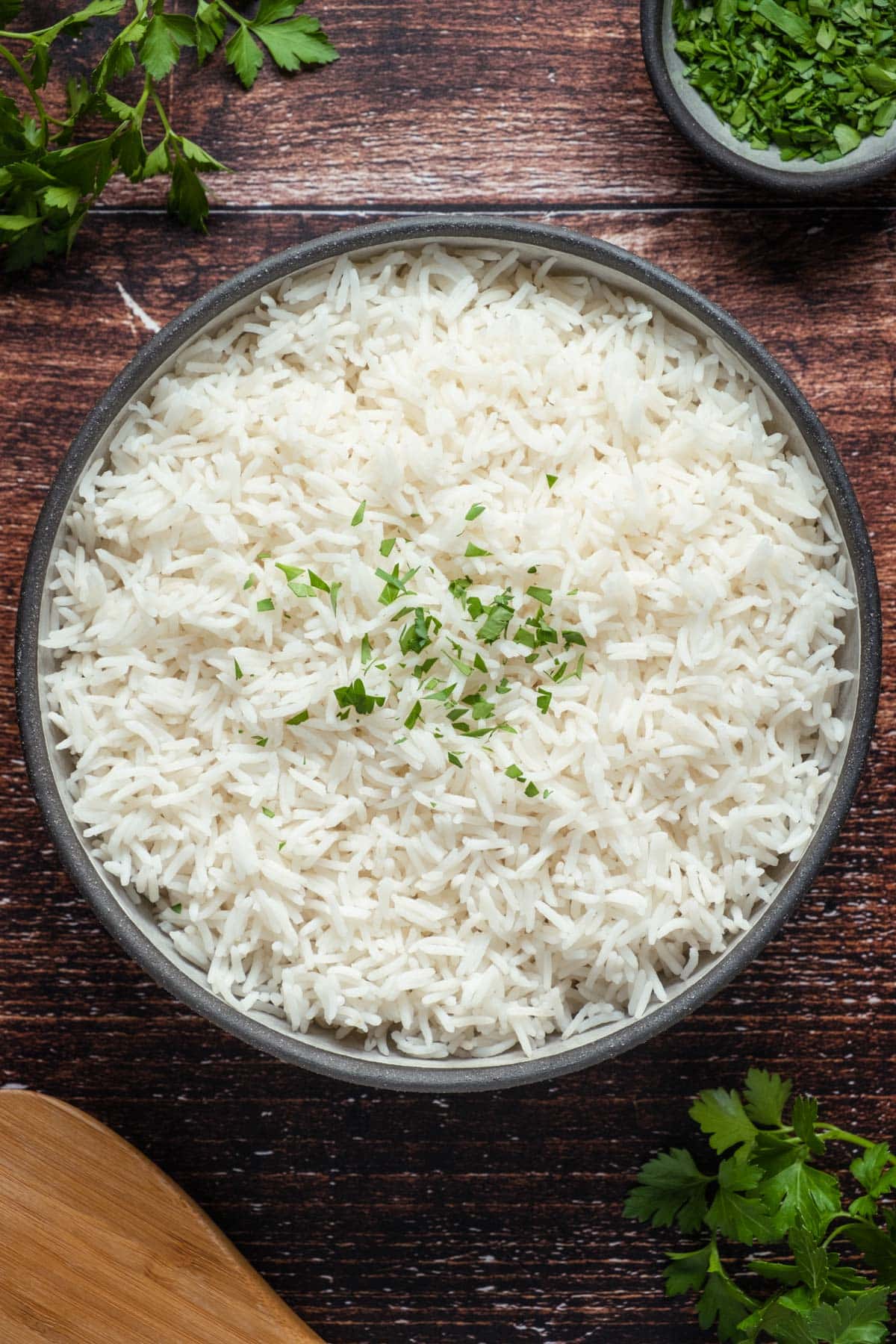
Perfectly Fluffy Basmati Rice for Every Meal
Ingredients
Method
- Begin by rinsing the basmati rice under cold running water. This step removes excess starch and helps prevent the rice from becoming gummy during cooking. Rinse until the water runs clear.
- Soak the rinsed rice in a bowl of water for at least 30 minutes. Soaking helps the grains expand and ultimately leads to a fluffier texture.
- After soaking, drain the rice and set it aside. In a medium saucepan, combine the soaked rice, 1 1/2 cups of water, salt, and oil if using.
- Bring the mixture to a boil over medium-high heat. Once boiling, lower the heat to a simmer and cover the saucepan with a tight-fitting lid.
- Cook for about 15 minutes without lifting the lid. This allows the rice to steam properly, ensuring that it cooks evenly.
- After 15 minutes, remove the saucepan from heat but keep it covered. Let the rice sit for an additional 5-10 minutes to absorb any remaining moisture.
- Finally, fluff the rice gently with a fork before serving. This will separate the grains and enhance the presentation.
Notes
Additional serving suggestions: pair with a crisp salad, garlic bread, or roasted seasonal vegetables for balance.
For make-ahead, prep components separately and assemble just before heating to preserve texture.
Taste and adjust with acid (lemon/vinegar) and salt right at the end to wake up flavors.