Introduction
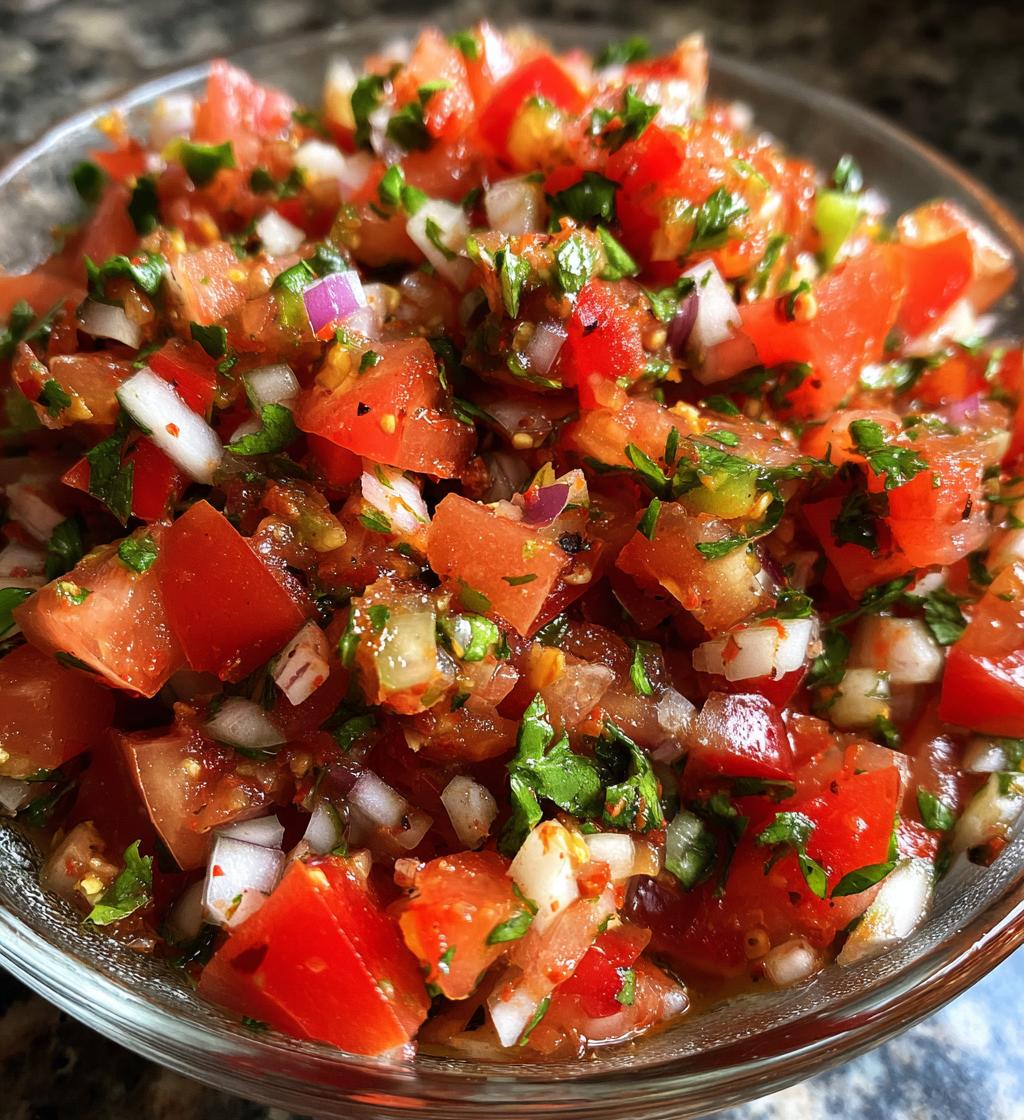
Salsa is more than just a topping for chips; it's a vibrant, flavorful component that can elevate a meal. Whether you're hosting a gathering or simply enjoying a quiet night at home, homemade salsa brings freshness and zest to the table.
Crafting the perfect salsa at home allows you to control the flavors, heat levels, and ingredients, creating a blend that suits your palate perfectly. With a few simple ingredients and a bit of technique, you can create a salsa that transforms every bite into a fiesta of flavors.
In this article, we’ll explore the components that make the best homemade salsa ever, revealing tips and tricks to enhance your kitchen game and impress your guests.
Ingredients
- 6 ripe Roma tomatoes
Roma tomatoes are dense, meaty, and low in moisture, making them perfect for salsa. Their rich flavor serves as a solid base and their vibrant color adds visual appeal. - 1 small red onion, finely chopped
Red onion offers a slightly sweet and sharp taste that complements the tomatoes. It adds a crunch and depth of flavor, allowing the salsa to really stand out. - 1 jalapeño pepper, deseeded and minced
Jalapeños lend heat to the salsa without overwhelming it, and deseeding reduces the spice, making it suitable for various palates. Slice them carefully to prevent the capsaicin oil from coming into contact with your skin. - 1/4 cup fresh cilantro, chopped
Cilantro adds a fresh, herbal note that balances the acidity of the tomatoes and the heat of the peppers. Its vibrant flavor is essential for an authentic salsa experience. - Juice of 2 limes
Lime juice introduces acidity and brightness, enhancing the overall flavors. It also helps to meld the ingredients together, ensuring a seamless taste in every bite. - Salt to taste
Salt is crucial in bringing out the flavors in each ingredient. It enhances sweetness, balances acidity, and creates a more complex flavor profile.
Directions & Preparation
Step 1: Prepare the ingredients.
Start by washing all your produce under cold water to remove any dirt or residue. For the tomatoes, remove the stem and chop them into small chunks. Finely chop the red onion, ensuring it blends well without overpowering the other flavors. Mince the jalapeño, adjusting the amount based on your desired heat level. Lastly, chop the cilantro and get ready to combine these vibrant ingredients.
Step 2: Combine the chopped ingredients in a bowl.
In a medium-sized mixing bowl, combine the chopped tomatoes, red onion, minced jalapeño, and cilantro. Gently fold them together using a spatula or spoon, taking care not to crush the tomatoes, as you want to retain their shape and texture. This step is vital because it allows each component to start mingling and releasing flavors before you add the seasoning.
Step 3: Add lime juice and salt.
After the vegetables are mixed, squeeze fresh lime juice over the top, then sprinkle salt to taste. The acidic lime juice not only brightens the flavors but also helps to preserve the freshness of your salsa. Taste as you go, adjusting the amount of lime juice and salt to suit your palate and elevate the overall flavor.
Step 4: Let the salsa rest.
Cover the bowl with plastic wrap or a lid and let the salsa sit for at least 30 minutes at room temperature. This resting period is crucial as it allows the flavors to meld together harmoniously, resulting in a more vibrant and flavorful salsa. If time permits, consider letting it sit longer for an even more pronounced flavor.
Step 5: Taste and adjust before serving.
Before serving, give the salsa one final taste. This is your opportunity to balance the flavors; if it feels too acidic, a pinch of sugar can help. Conversely, if it’s too bland, sprinkle in a little more salt or lime juice. Adjustments at this stage ensure the salsa is perfectly crafted for your guests.

Exploring Variations for Your Salsa
While the classic salsa recipe features tomatoes, onions, and peppers, feel free to explore other variations. Consider adding fruits like mango or pineapple for a sweet twist, or try incorporating roasted peppers for a smoky profile. Each variation can bring exciting new flavors, making your salsa versatile and a true crowd-pleaser.
The Importance of Fresh Ingredients
Using fresh, ripe ingredients is essential for a delightful salsa. Fresh herbs, ripe tomatoes, and vibrant peppers all contribute to a burst of flavor. When ingredients are picked at their peak ripeness, they provide a more complex and satisfying taste that dried or preserved items simply cannot replicate.
Pairing Salsa with Your Dishes
Homemade salsa is incredibly versatile and can complement various dishes. Serve it with tortilla chips as an appetizer, add it to tacos or burritos for a freshness boost, or use it as a topping for grilled fish or chicken. The vibrant flavors can elevate not just Mexican cuisine but also enhance many other meals.
FAQs
What should I do if my salsa is too watery?
If your salsa ends up too watery, try straining it using a fine mesh sieve to remove excess liquid. Alternatively, you can simmer it on low heat for a few minutes to evaporate some moisture, thickening the final product.
How can I adjust the heat level of my salsa?
To moderate the heat, you can either remove the seeds from the jalapeño or use less of it. For a milder flavor, consider substituting with a sweeter pepper or omitting the spicy elements altogether.
Can I use different herbs instead of cilantro?
Yes, if you’re not a fan of cilantro, consider using fresh parsley or even mint for a unique flavor twist. Just remember that changing herbs will significantly alter the overall taste of your salsa.
What if my salsa tastes bland?
If your salsa lacks flavor, try adding more salt or lime juice to enhance the taste. You can also add a pinch of sugar to balance the acidity if needed. The key is to adjust gradually and taste as you go.
Can I increase the recipe for a large gathering?
Absolutely! This recipe can easily be scaled up. Simply multiply the ingredients by the number of servings you need, and maintain the same ratios for balance.
Why is my salsa not mixing well?
If your salsa isn't mixing well, try giving it more time to rest after mixing. Additionally, ensure your ingredient sizes are uniform for better integration. This resting period allows the flavors to meld and ingredients to release their juices, improving the overall consistency.
Conclusion
Creating homemade salsa not only enhances your culinary skills but also provides a delightful experience for you and your guests. By following these instructions and understanding each ingredient's role, you’ll make salsa that’s vibrant, fresh, and delicious.
Whether you stick with the classic recipe or explore new variations, homemade salsa can become a staple in your kitchen. Enjoy experimenting with flavors and make every meal a celebration.
Recipe Card
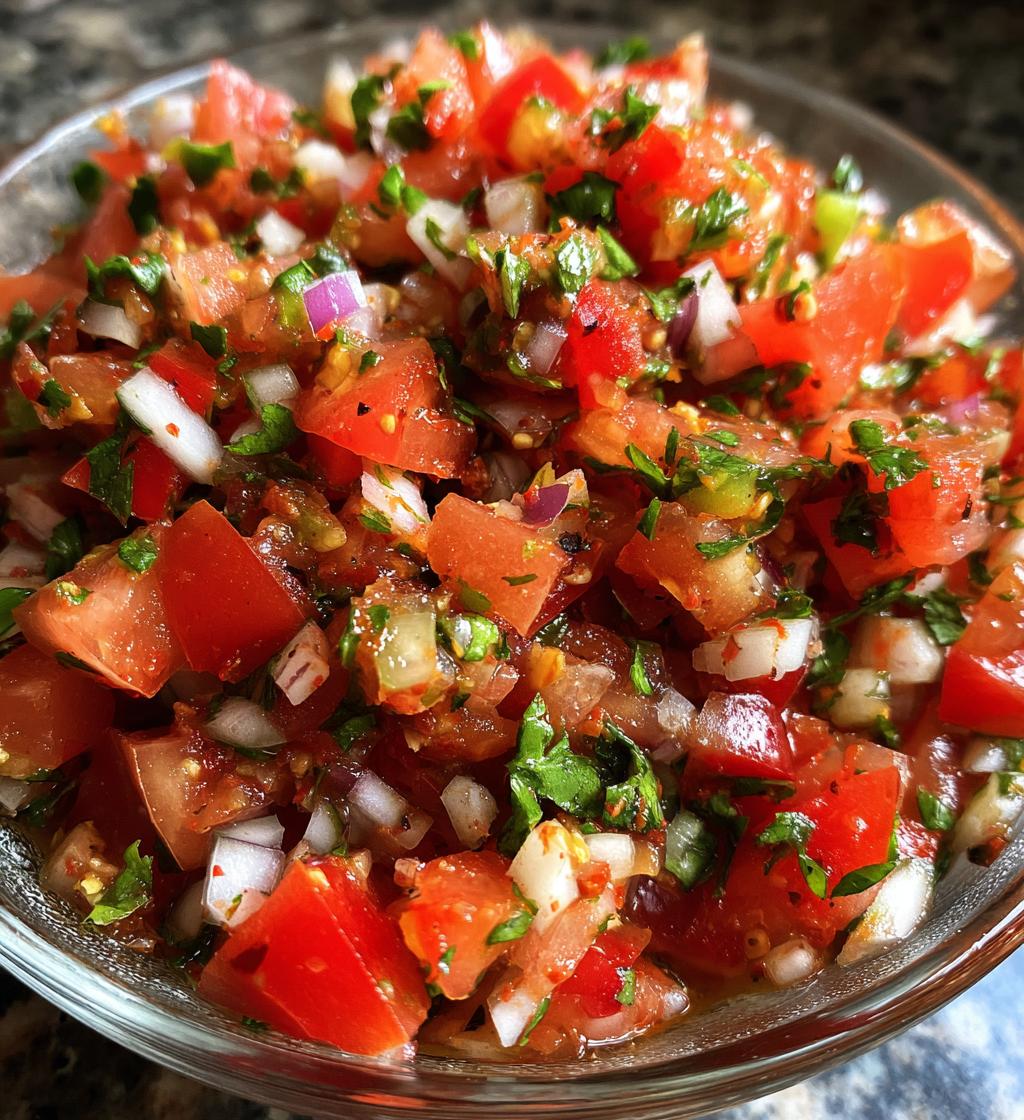
Unlocking the Secrets of Flavorful Homemade Salsa
Ingredients
Method
- Prepare the ingredients.
- Combine the chopped ingredients in a bowl.
- Add lime juice and salt.
- Let the salsa rest.
- Taste and adjust before serving.
Notes
Additional serving suggestions: pair with a crisp salad, garlic bread, or roasted seasonal vegetables for balance.
For make-ahead, prep components separately and assemble just before heating to preserve texture.
Taste and adjust with acid (lemon/vinegar) and salt right at the end to wake up flavors.