Introduction
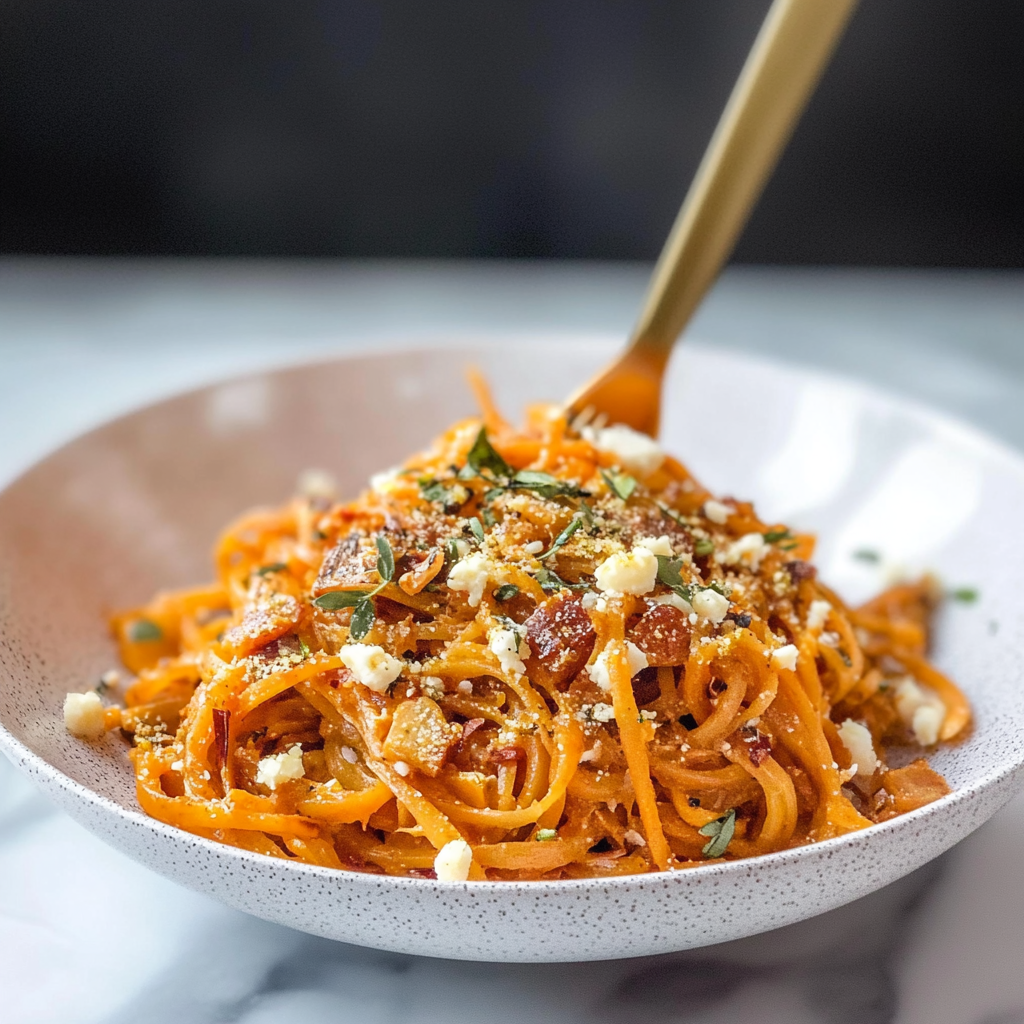
Sweet potato noodles bring a delightful twist to your dinner table, combining the earthy sweetness of the vegetable with the nutty richness of brown butter. Not only are they visually appealing, but they also offer a hearty texture that pairs beautifully with various sauces.
In this recipe, we'll prepare these vibrant noodles and drench them in a sage brown butter sauce, tapping into the fragrant herbal notes that elevate the dish. The combination of flavors creates a comforting meal that feels indulgent yet wholesome.
Ingredients
- 4 medium sweet potatoes
Sweet potatoes act as the base of this dish, providing natural sweetness and a rich, creamy texture once cooked. They are also packed with nutrients such as vitamin A and fiber. - 1/2 cup unsalted butter
Butter is pivotal in creating the brown butter sauce that adds a nutty flavor to the dish. Using unsalted butter allows you to better control the salt content in the final dish. - 8-10 fresh sage leaves
Sage adds an aromatic herbaceous note that complements the sweetness of the sweet potatoes. Fresh sage is preferred for its vibrant flavor, which becomes more intense when cooked. - 1 teaspoon sea salt
Salt enhances the flavors and balances the sweetness of the sweet potatoes. Adjusting the salt will help bring out the rich profile of the dish. - 1/2 teaspoon black pepper
Freshly cracked black pepper adds a little heat and complexity, creating a harmonious balance with the sweetness of the noodles and the earthiness of the butter. - 1/4 cup grated Parmesan cheese (optional)
Parmesan cheese introduces a savory, umami element that rounds out the dish. While optional, it adds depth and richness that compliments the garlic notes.
Directions & Preparation
Step 1: Prepare the sweet potato noodles.
To create sweet potato noodles, spiralize the sweet potatoes using a spiralizer or a julienne peeler. This step is crucial as it transforms the sweet potatoes into noodles that can soak up the flavors of the sauce. Once spiralized, set them aside to keep fresh, and ensure you're working with even thickness for uniform cooking.
Step 2: Cook the sweet potato noodles.
Heat a large skillet over medium heat and lightly coat it with olive oil. Incorporate the spiralized sweet potato noodles and sauté them for about 5-7 minutes until they are tender but retain a slight bite. This step is essential as overcooked noodles can become mushy, while the right cook time ensures they maintain their structure and allow the sauce to cling better.
Step 3: Brown the butter.
In a separate saucepan, melt the unsalted butter over medium-low heat until it begins to foam, then watch closely for it to turn golden brown. This processcan take about 5 minutes, and it’s vital to monitor it closely, as it can quickly go from perfectly browned to burnt. The nutty aroma signifies your butter is ready to be combined with the sage.
Step 4: Add sage to the brown butter.
Once the butter is brown, add the fresh sage leaves and swirl the pan to infuse the flavors. This step is crucial; cooked sage will become crispy and aromatic, enhancing the brown butter’s complexity. Do this for about 1-2 minutes until the sage is crisped but not burnt.
Step 5: Combine noodles and sauce.
Pour the brown butter and sage mixture over the cooked sweet potato noodles in the skillet. Toss everything together gently for about 1 minute to coat the noodles evenly. This ensures that each strand is infused with the rich flavors of the brown butter sauce, making every bite aromatic and delicious.
Step 6: Season and serve.
Finally, add sea salt and black pepper to taste, and toss again. If using, sprinkle grated Parmesan over the top just before serving. This additional step enhances the dish’s flavor profile, making it even more savory. Serve warm, and enjoy an earthy, comforting meal.

The Art of Sweet Potato Noodles
Creating sweet potato noodles is not just about the technique, but also about selecting the right sweet potatoes. Look for firm, unblemished potatoes for the best results. The natural sugars in sweet potatoes caramelize beautifully when cooked, providing a depth of flavor that pairs well with sauces. Whether you prefer spiralizing or using a mandoline, the method can vary, but the goal remains the same: transform these nutritious tubers into an inviting dish.
Understanding Brown Butter
Brown butter, or beurre noisette, is a simple yet transformative technique that can elevate many recipes. As the butter cooks, the milk solids caramelize, creating a nutty flavor that enhances dishes like this one. The key is patience; medium-low heat allows for gradual cooking, ensuring the butter does not burn. This process develops a deeper flavor that harmonizes perfectly with the sweet, earthy taste of the sweet potatoes.
Enhancing Flavor with Sage
Sage adds a fragrant, herbal note that contrasts beautifully with the sweetness of sweet potatoes. Its unique aroma comes alive when sautéed in brown butter, creating a balanced flavor profile. Fresh sage is recommended for its vibrant taste, but dried sage can also work in a pinch. However, if using dried versions, remember it is more concentrated, so you will need less in the recipe.
FAQs
What if my sweet potato noodles are too thick?
If the sweet potato noodles are too thick, they may not cook evenly. Slice them thinner to allow for better cooking and absorption of flavors. Alternatively, you can sauté them longer on lower heat, stirring gently to ensure even cooking.
How can I make the dish more savory?
To enhance the savory profile, consider adding more Parmesan cheese or incorporating toasted nuts like pine nuts or walnuts for added texture and flavor. The crunch complements the creamy noodles beautifully.
Can I substitute sage with another herb?
If you're not a fan of sage, you can substitute with thyme or rosemary. Each herb brings a distinct flavor, with thyme providing earthiness and rosemary offering a pine-like aroma that can complement the sweetness of sweet potatoes.
What if the sage flavor is too strong?
If the sage flavor becomes overwhelming, try reducing the amount of sage next time or finely chopping it to disperse the flavor throughout the dish. Also, adding additional Parmesan can help balance the herbiness.
Can I use a different type of butter?
You can use ghee or a plant-based butter for a different flavor profile or to make it dairy-free. While the nutty flavor from browning butter is unique, these alternatives can still offer a delicious experience.
What if I want to add a protein to the dish?
Adding grilled chicken, sautéed shrimp, or chickpeas can boost the protein content of this dish. Ensure they are cooked separately and added just before serving to maintain texture and flavor.
Conclusion
This Sweet Potato Noodles with Sage Brown Butter Sauce dish offers a stunning blend of flavors and textures that can easily impress both family and friends. The sweet and savory profiles work harmoniously to create a satisfying meal any night of the week.
By incorporating fresh ingredients and enhancing the dish with aromatic herbs, you can transform simple sweet potatoes into a gourmet experience. Enjoy this dish as a main course or a delightful side; either way, it's sure to become a staple in your kitchen.
Recipe Card
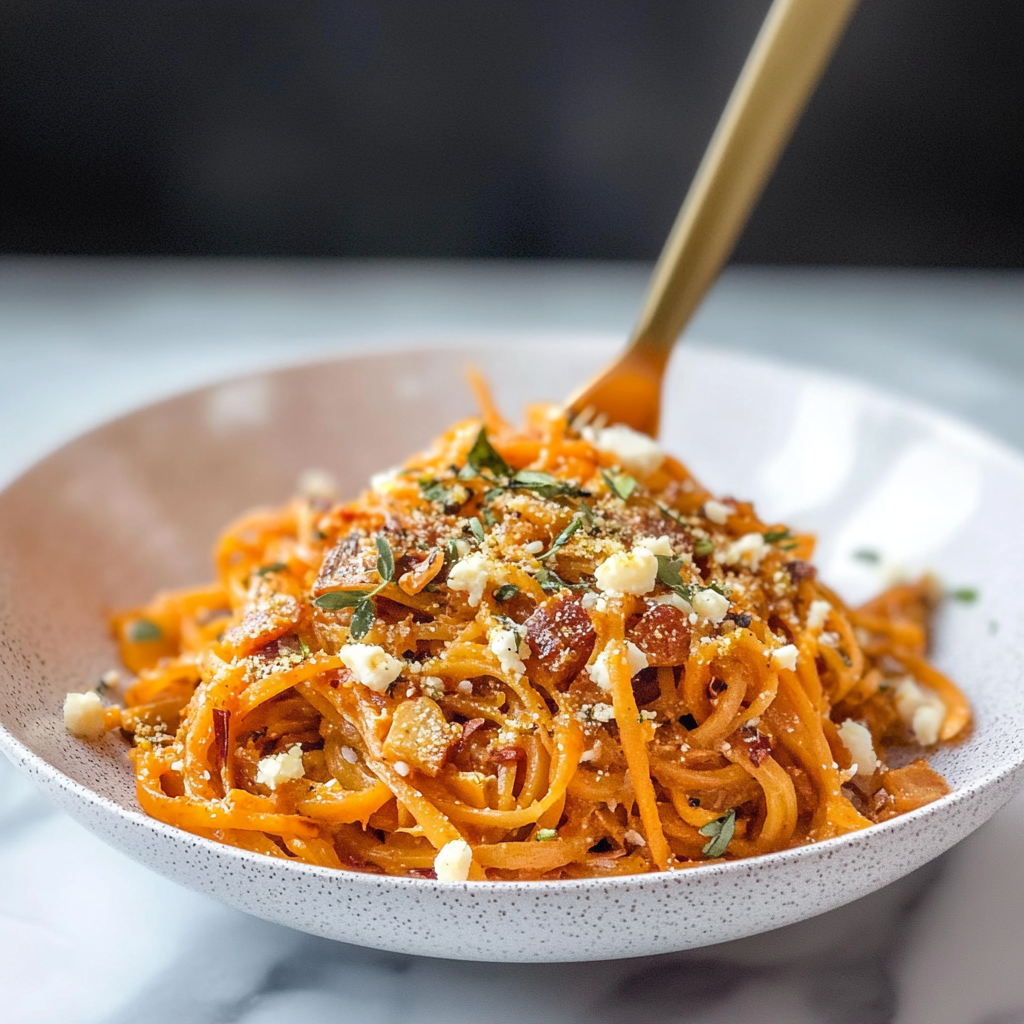
Decadent Sweet Potato Noodles with Sage Brown Butter Sauce
Ingredients
Method
- Prepare the sweet potato noodles.
- Cook the sweet potato noodles.
- Brown the butter.
- Add sage to the brown butter.
- Combine noodles and sauce.
- Season and serve.
Notes
Additional serving suggestions: pair with a crisp salad, garlic bread, or roasted seasonal vegetables for balance.
For make-ahead, prep components separately and assemble just before heating to preserve texture.
Taste and adjust with acid (lemon/vinegar) and salt right at the end to wake up flavors.