Introduction
As the leaves begin to turn and the air turns crisp, autumn presents a wonderful opportunity to create some seasonal delights in the kitchen. Among nature's most charming offerings, acorn squash stands out not only for its quirky shape but also its rich, sweet flavor that perfectly embodies fall. When roasted, it transforms into a comforting side dish that can elevate any meal.
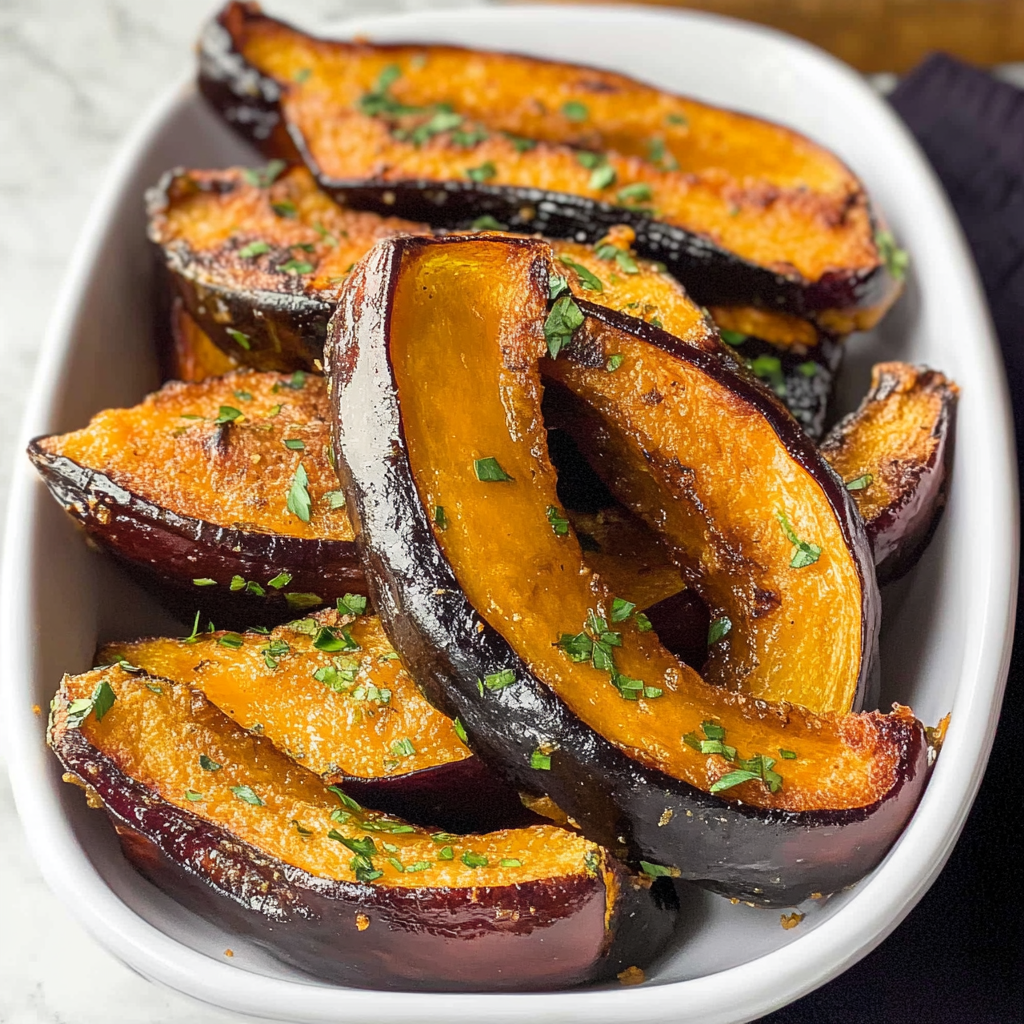
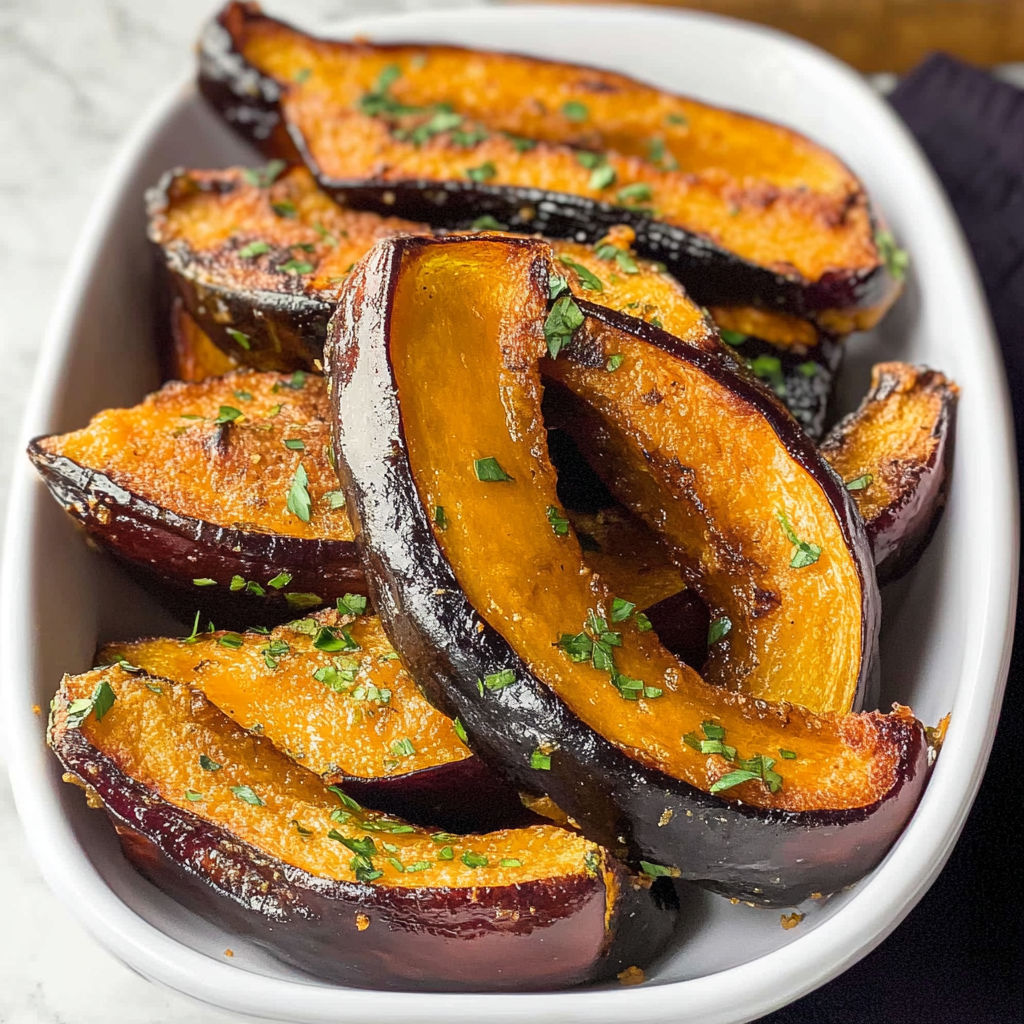
Pairing acorn squash with brown sugar creates a delightful combination that enhances its natural sweetness. This dish is not just a treat for the taste buds but also a feast for the eyes, making it a perfect element for your autumn table. Whether you serve it during a holiday gathering or as a simple weeknight side, brown sugar acorn squash is bound to impress.
Ingredients
- 2 medium acorn squash
Acorn squash is the star ingredient, known for its sweet, nutty flavor and creamy texture when cooked. Its unique shape makes it visually appealing on the plate. - 3 tablespoons brown sugar
Brown sugar adds a natural sweetness with a hint of molasses flavor, complementing the squash's innate taste. It caramelizes beautifully during roasting, enhancing the dish’s overall depth. - 2 tablespoons unsalted butter, melted
Butter enriches the flavor and provides moisture, helping to create a tender texture. It also aids in the caramelization process when the squash is roasted. - 1 teaspoon cinnamon
Cinnamon introduces a warm, aromatic quality that harmonizes with the sweetness of the squash and brown sugar. It's a classic spice that evokes the essence of fall. - Salt, to taste
A pinch of salt balances sweetness and enhances the overall flavor profile of the dish, ensuring that it doesn’t become overly sweet.
Directions & Preparation
Step 1: Preheat your oven to 400°F (200°C).
Preheating the oven is key to achieving perfectly roasted acorn squash. This high temperature helps to caramelize the sugars in the squash, leading to a flavorful, golden exterior while ensuring the interior is tender.
Step 2: Cut the acorn squashes in half lengthwise and scoop out the seeds.
Halving the squash allows for even cooking and ensures that the insides are exposed to the heat, allowing them to caramelize beautifully. Removing the seeds also prepares the squash for the addition of the sweet and buttery mixture.
Step 3: Place the squash halves cut-side up in a baking dish.
Arranging the squash cut-side up ensures that the sweet mixture will pool inside, infusing the flesh with flavor as it cooks. Using a baking dish helps to catch any syrupy juices released during roasting.
Step 4: In a small bowl, mix together brown sugar, melted butter, cinnamon, and salt.
Creating this mixture ahead of time allows the flavors to meld together, resulting in a more harmonious glaze. The melted butter helps the brown sugar dissolve, making it easier to apply to the squash.
Step 5: Spoon the mixture evenly into each half of the acorn squash.
Distributing the mixture ensures that each piece has the same amount of sweet goodness, resulting in an evenly flavored dish. It also makes sure the flavors penetrate deep into the squash as it roasts.
Step 6: Cover the baking dish with aluminum foil and bake for 25 minutes.
Covering the dish helps to trap steam, which aids in cooking the squash evenly and keeping it moist. This initial covered roasting phase softens the squash before the final caramelization.
Step 7: Remove the foil and bake for an additional 15-20 minutes, or until tender and caramelized.
This step is essential for achieving that desirable golden-brown color and textured sweetness from the caramelization process. The additional time allows the natural sugars in the squash to intensify.
Step 8: Remove from the oven and let cool slightly before serving.
Allowing the squash to rest for a few minutes lets the flavors settle and makes it easier to handle. This brief cooling time enhances the enjoyment as the dish transitions from the oven to the table.

Why Brown Sugar Works Wonders
Using brown sugar in this recipe isn't just about sweetness; it brings a rich, deep flavor profile that enhances the natural taste of acorn squash. The molasses content in brown sugar caramelizes beautifully, giving the squash a shiny, appealing glaze that makes it irresistible. This depth of flavor contrasts deliciously with the buttery soft interior, creating a well-rounded dish that captures the essence of autumn.
The Art of Roasting Vegetables
Roasting vegetables, particularly sweet varieties like acorn squash, is a transformative culinary technique. It brings out their natural sugars, yielding a richer flavor and a tender texture. The high heat caramelizes the sugars more effectively than boiling or steaming, creating a delightful balance of sweet and savory. This method allows the squash to develop both a delicious crust and a soft, tender interior, making every bite a pleasure.
Pairing Suggestions for a Cozy Meal
Brown sugar acorn squash pairs wonderfully with various dishes, making it a versatile side. Its sweetness complements savory proteins such as roasted chicken, pork chops, or even a hearty vegetable stew. For a cozy vegetarian meal, consider serving it alongside wild rice mixed with nuts or a fresh spinach salad dressed with a tangy vinaigrette to balance its sweetness, creating a comforting yet sophisticated dining experience.
FAQs
What if my acorn squash is too firm after roasting?
If your squash isn't tender after the initial cooking time, cover it and return it to the oven for an additional 10 minutes. Check for doneness by piercing it with a fork.
Can I adjust the amount of sugar in this recipe?
Yes, feel free to reduce the brown sugar if you prefer a less sweet flavor. You can also experiment with using a sugar substitute for a different taste.
What other spices can I add to this dish?
Consider adding nutmeg or allspice for an extra layer of flavor, as they pair well with the sweetness of the squash and the brown sugar.
Can I use maple syrup instead of brown sugar?
Absolutely! Maple syrup can replace brown sugar, adding a different, yet complementary sweetness. Be sure to adjust the butter slightly to compensate for the added liquid.
How do I know when the squash is fully caramelized?
Look for a golden-brown color on the surface and a soft, tender texture when pierced with a fork to ensure the sugars have caramelized properly.
What if my squash doesn’t have a lot of flavor?
Ensure you season generously with salt and spices, as they enhance the natural flavors. Additionally, roasting at a higher temperature can intensify the taste.
Conclusion
Creating brown sugar acorn squash is not only a celebration of fall flavors but also an enjoyable culinary experience. The combination of sweet, buttery squash and aromatic spices results in a dish that pleases both the palate and the eye. It’s a simple yet elegant addition to any meal.
Whether you enjoy it as a side dish or a centerpiece on your holiday table, brown sugar acorn squash is sure to warm hearts and homes. Embrace the seasonal ingredients and let their flavors shine in your kitchen.
Recipe Card
Deliciously Sweet Brown Sugar Acorn Squash
Ingredients
Method
- Preheat your oven to 400°F (200°C).
- Cut the acorn squashes in half lengthwise and scoop out the seeds.
- Place the squash halves cut-side up in a baking dish.
- In a small bowl, mix together brown sugar, melted butter, cinnamon, and salt.
- Spoon the mixture evenly into each half of the acorn squash.
- Cover the baking dish with aluminum foil and bake for 25 minutes.
- Remove the foil and bake for an additional 15-20 minutes, or until tender and caramelized.
- Remove from the oven and let cool slightly before serving.
Notes
Additional serving suggestions: pair with a crisp salad, garlic bread, or roasted seasonal vegetables for balance.
For make-ahead, prep components separately and assemble just before heating to preserve texture.
Taste and adjust with acid (lemon/vinegar) and salt right at the end to wake up flavors.