Introduction
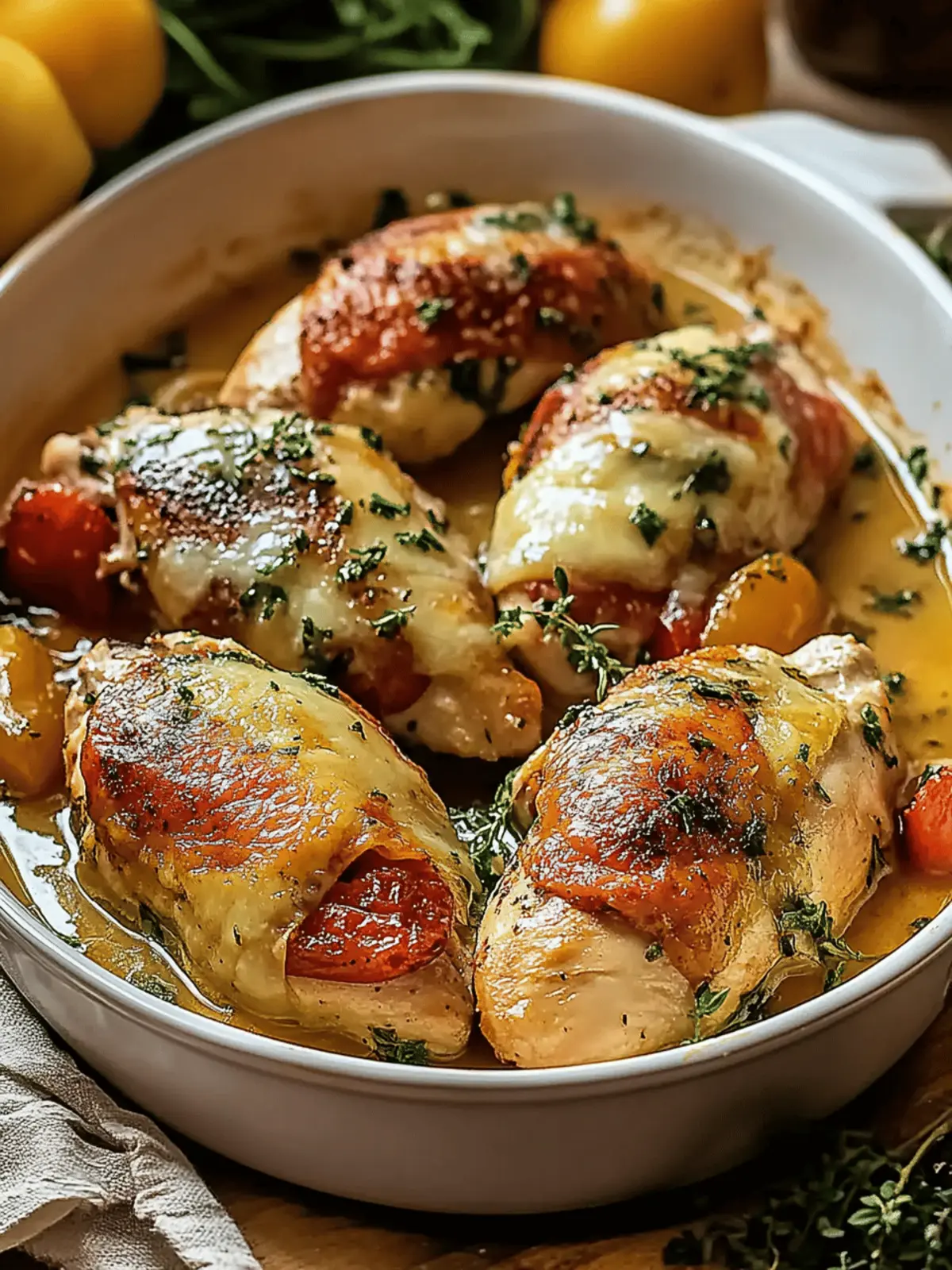
Italian Chicken Saltimbocca is a dish that beautifully illustrates the art of Italian cooking, showcasing simple ingredients combined for a vibrant taste experience. A classic representation of Roman cuisine, this dish relies on balanced flavors and high-quality ingredients that bring warmth and comfort to any dinner table.
The name Saltimbocca means 'jump in the mouth,' a fitting description for this dish's delightful combination of tender chicken, savory prosciutto, and aromatic sage. Often served with a light sauce infused with white wine and butter, it's a perfect choice for both weeknight meals and special occasions.
Ingredients
- 4 boneless, skinless chicken breasts
Chicken breasts are the main component of Saltimbocca, providing a neutral protein base that absorbs the flavors of the prosciutto and sage. - 8 slices of prosciutto
Prosciutto adds a salty, umami depth to the dish, complementing the chicken and infusing it with flavor, while its fat helps to keep the chicken moist during cooking. - 12 fresh sage leaves
Sage introduces an earthy herbal quality that brightens the dish and pairs beautifully with the richness of prosciutto and the tenderness of chicken. - 1 cup dry white wine
The white wine creates the sauce, lending acidity that balances the fat from the prosciutto and enhances the overall flavor profile. - 4 tablespoons unsalted butter
Butter is used for enriching the sauce, adding a silky texture and a rich flavor that rounds out the dish perfectly. - Salt and pepper to taste
Seasoning with salt and pepper enhances the other flavors without overpowering them, ensuring that each bite is well-balanced. - Olive oil for frying
Olive oil is ideal for cooking the chicken, offering a fruity flavor and helping to achieve a golden crust while also being a staple in Italian cuisine.
Directions & Preparation
Step 1: Prepare the chicken by pounding it to an even thickness.
This step ensures that the chicken cooks evenly and stays tender. Using a meat mallet or rolling pin, pound the chicken breasts to about 1/2 inch thick. This also creates more surface area for flavor absorption, making each bite juicier.
Step 2: Layer each chicken breast with prosciutto and sage.
Place a slice of prosciutto on top of each chicken breast and then lay 2-3 sage leaves on top. This layering allows the flavors to meld during cooking. Use toothpicks to secure these layers, preventing them from falling apart while frying.
Step 3: Heat olive oil in a skillet over medium-high heat.
Choosing the right heat is crucial: too high and the prosciutto will burn before the chicken is cooked; too low and the chicken will become dry. A nice sizzle when the chicken hits the pan indicates that the oil is ready.
Step 4: Add the chicken to the skillet, cooking for about 4-5 minutes per side.
Cooking the chicken until golden brown gives it a wonderful crust, sealing in juices. Make sure not to overcrowd the pan—this allows for even cooking and ensures the chicken has enough space to sear properly.
Step 5: Remove the chicken and deglaze the pan with white wine.
Deglazing lifts the flavorful brown bits from the bottom of the pan, infusing the sauce with rich depth. Scrape the pan as the wine simmers, incorporating all the flavors into the sauce.
Step 6: Whisk in butter, then return the chicken to the pan.
Whisking in cold butter at the end enriches the sauce, giving it a glossy finish and velvety texture. Coat the chicken in the sauce to add flavor back into the dish after the initial cooking process.
Step 7: Serve the chicken garnished with sage and sauce.
Presentation matters! Arrange the chicken on a plate, drizzle with sauce, and garnish with extra sage leaves. It’s a dish meant to impress, combining beautiful visuals with amazing taste.

Understanding the Role of Each Ingredient
Each element in Chicken Saltimbocca plays a complementary role in the dish. The chicken forms a savory base, while prosciutto contributes a rich, salty flavor that pairs wonderfully with the earthy notes of sage. The white wine not only creates a fragrant sauce but also adds depth to the overall taste, balancing the richness from the butter and prosciutto.
Perfecting the Cooking Technique
The technique used in preparing Chicken Saltimbocca is key to achieving flavorful results. Pounding the chicken ensures it cooks uniformly, while proper heat management during frying contributes to a golden crust. The deglazing step is critical for extracting all the savory bits from the pan, prompting a richer sauce that elevates the dish’s flavor.
Serving Suggestions for a Complete Meal
For a complete dining experience, consider serving Chicken Saltimbocca with sides that complement its flavors. Creamy risotto or buttery mashed potatoes work beautifully, while a fresh arugula salad provides a peppery contrast. Pairing the meal with a crisp white wine, like Pinot Grigio, enhances the overall enjoyment and aligns with its Italian roots.
FAQs
What if the chicken is overcooked?
If the chicken turns out overcooked, it's important to monitor the cooking times closely. You can consider cutting it into smaller pieces and adding it to the sauce to help retain moisture.
Can I use different herbs instead of sage?
While sage is traditional, substituting with fresh rosemary or thyme can create a different yet tasty variation that still honors Italian flavors.
What to do if the sauce is too thin?
If your sauce turns out thin, let it simmer a bit longer after deglazing to reduce and thicken. Adding a bit of cornstarch mixed with water can also help thicken it up.
How can I tweak this recipe for more flavor?
Incorporating garlic during the deglazing process can add a wonderful aroma and depth of flavor to the dish. A splash of lemon juice also brightens the flavors significantly.
What type of white wine should I use?
Opt for a dry white wine, such as Pinot Grigio or Sauvignon Blanc, to enhance the dish's brightness without overwhelming the other flavors.
Is it possible to scale this recipe for a larger group?
Yes, this recipe can easily be doubled or tripled. Just ensure your pan has enough space to sear the chicken without overcrowding.
Conclusion
Italian Chicken Saltimbocca is more than just a meal; it's an experience that brings the flavors of Italy to your kitchen. By following the specified steps and understanding the roles of each ingredient, you're sure to create something that delights the palate.
Enjoying this dish with loved ones or serving it at gatherings can turn any meal into a celebration of taste and tradition. The combination of savory, herby, and slightly salty flavors will keep you coming back for more.
Recipe Card
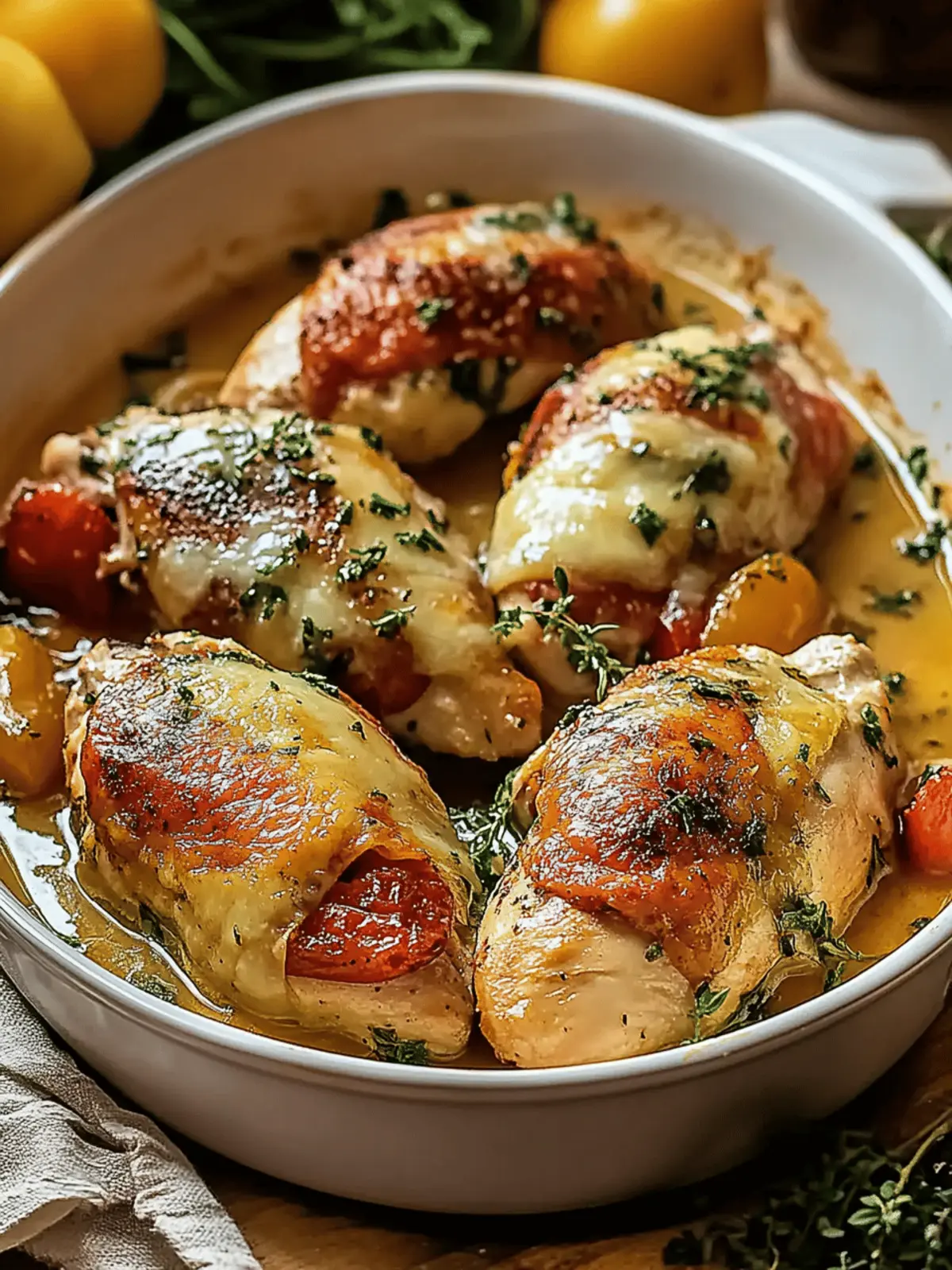
Discovering the Flavors of Italian Chicken Saltimbocca
Ingredients
Method
- Prepare the chicken by pounding it to an even thickness.
- Layer each chicken breast with prosciutto and sage.
- Heat olive oil in a skillet over medium-high heat.
- Add the chicken to the skillet, cooking for about 4-5 minutes per side.
- Remove the chicken and deglaze the pan with white wine.
- Whisk in butter, then return the chicken to the pan.
- Serve the chicken garnished with sage and sauce.
Notes
Additional serving suggestions: pair with a crisp salad, garlic bread, or roasted seasonal vegetables for balance.
For make-ahead, prep components separately and assemble just before heating to preserve texture.
Taste and adjust with acid (lemon/vinegar) and salt right at the end to wake up flavors.