Introduction
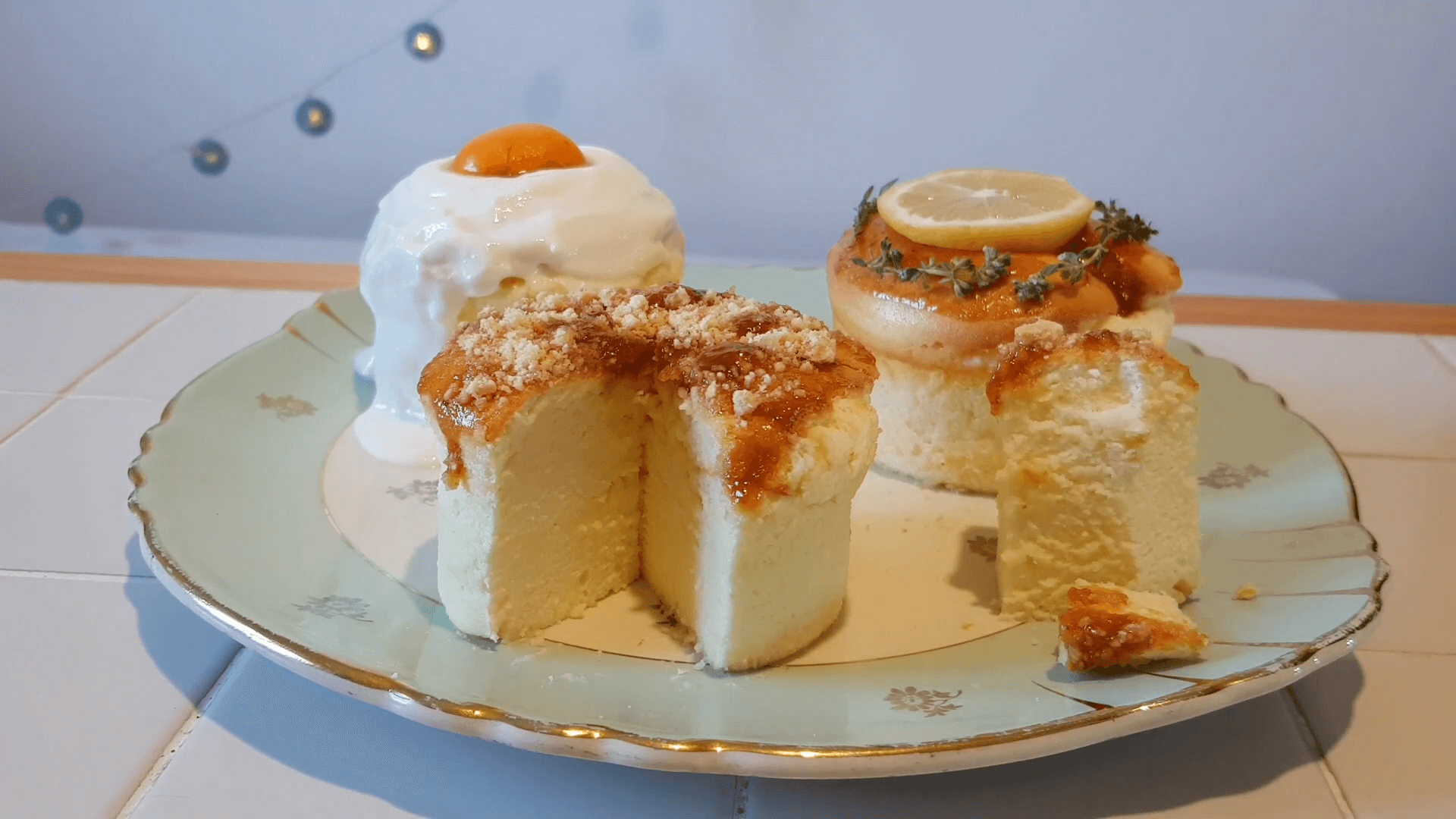
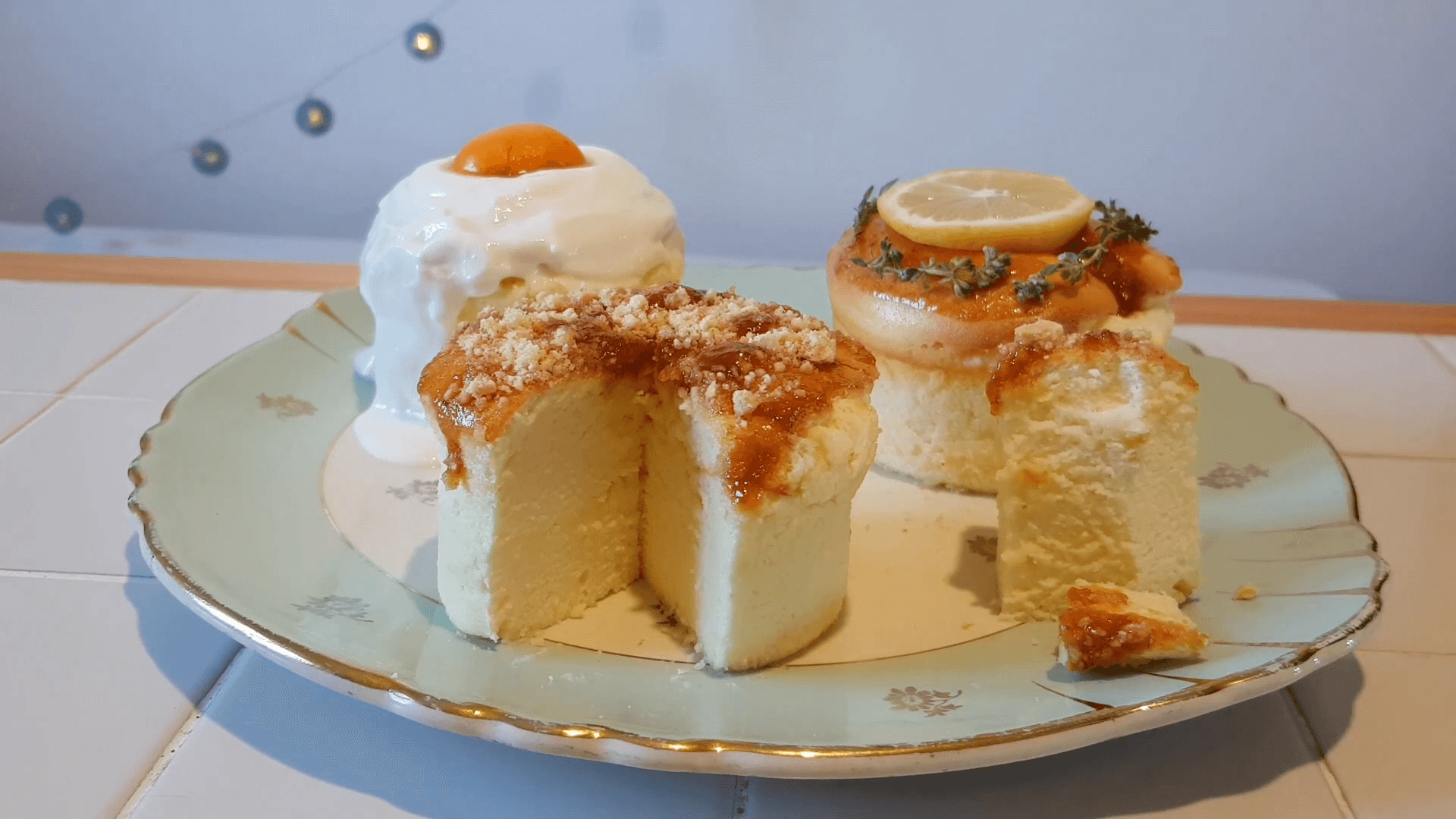
Fluffy Japanese Cotton Cheesecake Cupcakes are a delightful treat that combines the light texture of a soufflé with the rich flavor of cheesecake. These cupcakes have become increasingly popular for their melt-in-your-mouth qualities and their ability to impress at any gathering.
The recipe is straightforward, yet the results are a true testament to the beauty of Japanese confectionery techniques. Light and airy, these cupcakes are perfect for those who adore a delicate dessert that doesn’t compromise on flavor.
Ingredients
- 200g cream cheese
Cream cheese provides the creamy richness and tangy flavor that characterizes cheesecake. It's crucial for achieving the desired texture in the cupcakes, ensuring they are rich yet light. - 50g unsalted butter
Butter adds moisture and contributes to a tender crumb. Its fat content helps to create the necessary richness, balancing the cream cheese with a smooth, buttery flavor. - 3 large eggs
Eggs are essential for binding the ingredients together while also providing structure and aeration. They help create the fluffy texture that makes these cupcakes so special. - 70g granulated sugar
Sugar not only sweetens the cupcakes, but it also contributes to the overall texture. It helps to aerate the batter when whipped with the eggs, resulting in a lighter cupcake. - 60ml milk
Milk adds moisture to the batter, making the cupcakes soft and tender. It's also important for achieving the right consistency, ensuring the batter is pourable yet thick enough. - 40g all-purpose flour
Flour is the main structural component of the cupcakes. It helps to provide stability and framework while still allowing the cupcakes to remain airy. - 1/4 tsp baking powder
Baking powder acts as a leavening agent, helping the cupcakes rise and achieve that signature fluffy quality. It's crucial for creating the light texture. - A pinch of salt
Salt enhances the overall flavor of the cupcakes, balancing the sweetness and accentuating the creamy notes of the cream cheese.
Directions & Preparation
Step 1: Preheat the oven to 160°C (320°F) and prepare the muffin pan with liners.
Preheating the oven ensures that your cupcakes bake evenly from the start. Using muffin liners helps to maintain the structure of the cupcakes, making it easier to serve them later.
Step 2: Melt the cream cheese and butter together in a heatproof bowl over simmering water.
This gentle heating method allows the cream cheese and butter to combine smoothly without overheating. Achieving a homogenous mixture is crucial for the cupcake’s creamy texture, preventing lumps.
Step 3: In a separate bowl, whisk the eggs and sugar until pale and fluffy.
Whisking the eggs with sugar incorporates air into the batter, providing lift during baking. This step is essential for achieving the light, soufflé-like quality that distinguishes these cupcakes.
Step 4: Add the melted cream cheese mixture and milk to the egg mixture, stirring to combine.
Incorporating the cream cheese mixture into the egg mixture enriches the batter while ensuring even flavor distribution. Stir gently to avoid deflating the whipped eggs.
Step 5: Sift together the flour, baking powder, and salt, then fold it into the wet ingredients.
Sifting the dry ingredients aerates the flour, helping to prevent clumps and ensure an even texture. Folding gently preserves the air bubbles created previously, maintaining fluffiness.
Step 6: Divide the batter evenly among the prepared muffin cups, filling each about 2/3 full.
Even distribution of the batter is key to uniform baking. Filling each cup only 2/3 full allows room for the cupcakes to rise without overflowing, resulting in a nicely rounded top.
Step 7: Bake for 18–20 minutes or until the tops are golden and a toothpick comes out clean.
Monitoring the baking time is essential to avoid overcooking or undercooking the cupcakes. The golden top indicates they are set, while the toothpick test ensures the center is fully cooked.
Step 8: Let the cupcakes cool in the pan for 10 minutes before transferring to a wire rack.
Cooling in the pan stabilizes the cupcakes, preventing them from collapsing. Transferring to a wire rack allows them to cool completely, ensuring they retain their fluffy texture.
Step 9: Serve the cupcakes once cooled, optionally dusting with powdered sugar or serving with whipped cream.
Serving them warm or at room temperature showcases their lightness. The optional dusting or accompaniment adds a decorative touch without overpowering the delicate flavor.

Achieving Maximum Fluffiness
For the fluffiest cupcakes, it's essential to thoroughly whisk the eggs and sugar until they are pale and voluminous. The air bubbles created during this process contribute directly to the cupcakes' lift during baking. Additionally, avoid overmixing once the flour is added to keep the batter light and airy.
Temperature Control for Perfect Baking
Baking at a consistent temperature is crucial for these cupcakes to rise correctly. Too high, and the cupcakes may crack; too low, and they might not rise enough. Using an oven thermometer can help ensure that your oven is at the right temperature before placing the cupcakes inside.
Flavor Variations to Explore
While the classic flavor is undoubtedly delightful, you can explore variations by adding ingredients like matcha powder, lemon zest, or vanilla extract. Each of these additions can enhance the flavor profile while maintaining the essential airy texture and structure of the cupcakes.
FAQs
What if my batter is too thick?
If your batter seems too thick, it may need a touch more milk to achieve the right pourable consistency. Add a tablespoon at a time, mixing gently until it's smooth but not overly runny.
Why did my cupcakes sink slightly after baking?
Cupcakes can sink if they're underbaked or if the batter was overmixed. Make sure to check your oven temperature and do not exceed the mixing time once flour is added.
Can I use flavored cream cheese?
Yes, flavored cream cheese can add a unique twist to your cupcakes. Consider pairing it with complementary flavors, but ensure it's not too overpowering to maintain balance.
Is there a way to make these cupcakes denser?
For a denser texture, reduce the amount of air whipped into the egg and sugar mixture, but this will alter the traditional fluffy texture. Adjusting the flour content slightly can also help.
What causes the cupcakes to have cracks on top?
Cracks can occur if the oven temperature is too high or if the batter is too thick, causing uneven baking. Keeping a stable temperature and ensuring a smooth batter can minimize this.
Can I double the recipe for a larger batch?
Yes, you can double the recipe. Just be mindful of your mixing bowl size and ensure even baking, adjusting the baking time as necessary.
Conclusion
Fluffy Japanese Cotton Cheesecake Cupcakes are a charming addition to your dessert repertoire. With their unique texture and delightful taste, you're sure to impress family and friends alike.
The best part is that they can be tailored to suit various occasions and flavor preferences, making them a versatile choice for any home baker looking to explore new culinary delights.
Recipe Card
Elevate Your Baking with Fluffy Japanese Cotton Cheesecake Cupcakes
Ingredients
Method
- Preheat the oven to 160°C (320°F) and prepare the muffin pan with liners.
- Melt the cream cheese and butter together in a heatproof bowl over simmering water.
- In a separate bowl, whisk the eggs and sugar until pale and fluffy.
- Add the melted cream cheese mixture and milk to the egg mixture, stirring to combine.
- Sift together the flour, baking powder, and salt, then fold it into the wet ingredients.
- Divide the batter evenly among the prepared muffin cups, filling each about 2/3 full.
- Bake for 18–20 minutes or until the tops are golden and a toothpick comes out clean.
- Let the cupcakes cool in the pan for 10 minutes before transferring to a wire rack.
- Serve the cupcakes once cooled, optionally dusting with powdered sugar or serving with whipped cream.
Notes
Additional serving suggestions: pair with a crisp salad, garlic bread, or roasted seasonal vegetables for balance.
For make-ahead, prep components separately and assemble just before heating to preserve texture.
Taste and adjust with acid (lemon/vinegar) and salt right at the end to wake up flavors.