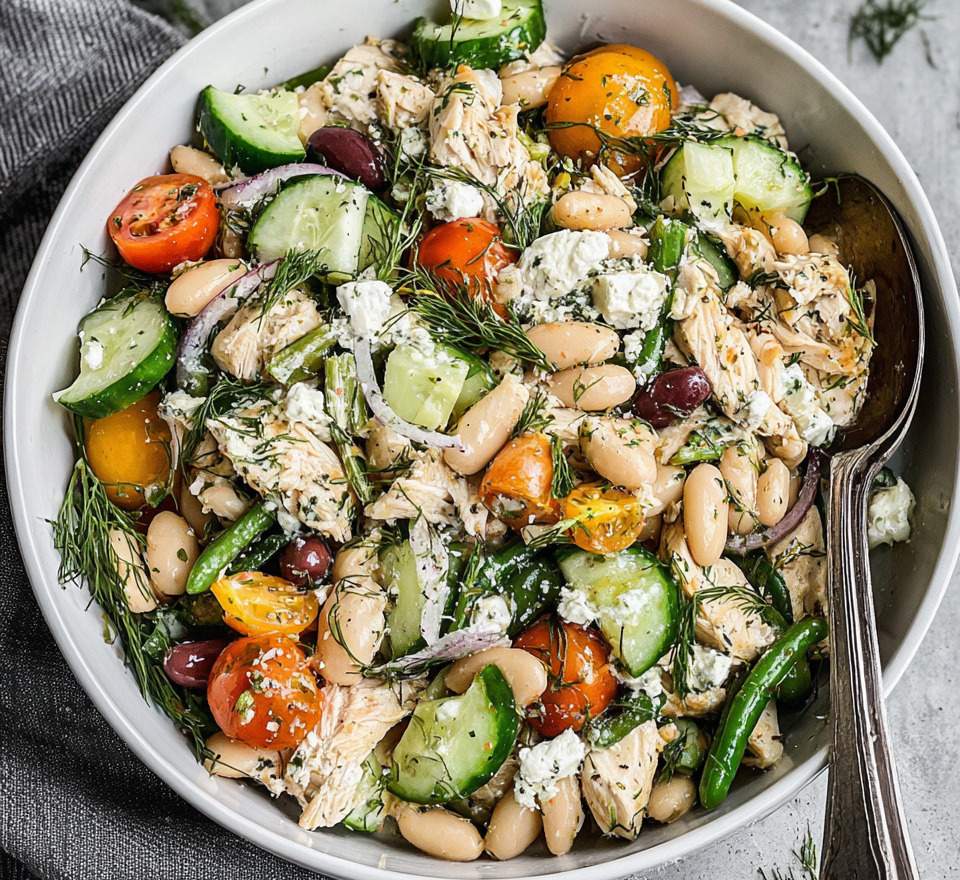
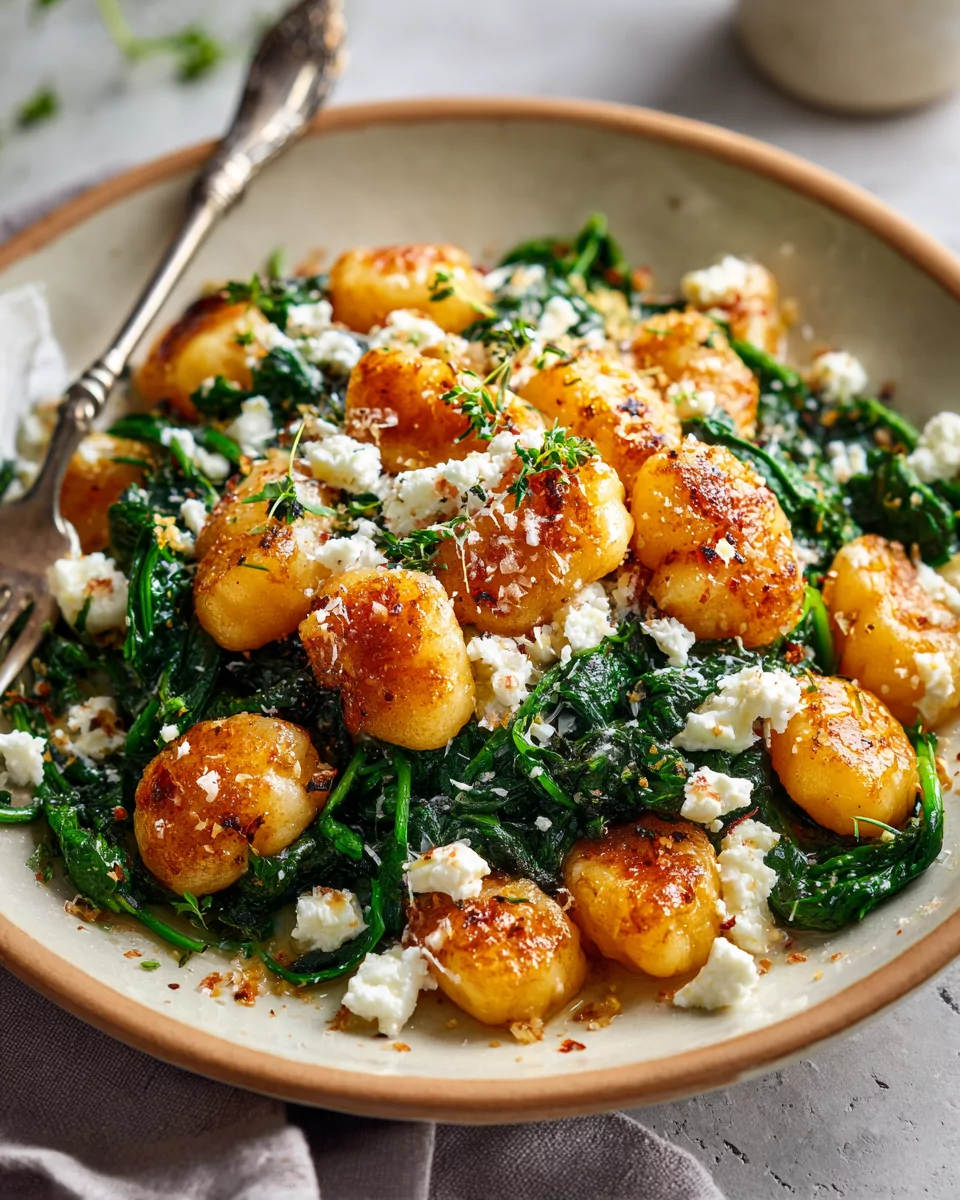
Introduction
Couscous, a staple in North African cuisine, has a delightful texture that serves as a canvas for a variety of flavors. When combined with roasted vegetables and aromatic herbs, it transforms into a vibrant dish that's hard to resist. This recipe takes the humble couscous and elevates it using seasonal vegetables and fresh herbs, perfect for both a main course or a side.
With its rich combination of roasted veggies, fragrant herbs, and light, fluffy couscous, this dish is not only delicious but also incredibly versatile. Whether it's a cozy family dinner or a gathering with friends, this recipe showcases the beauty of simple, natural ingredients. Get ready to fill your kitchen with delightful aromas and enjoy a wholesome meal that’s simple to prepare.
Ingredients
- 1 cup couscous
Couscous is the base of this dish, providing a light and fluffy texture. It absorbs the flavors of the vegetables and herbs beautifully, making it a satisfying component. - 2 cups vegetable broth
Using vegetable broth instead of water enhances the flavor of the couscous, infusing it with a rich, savory depth. It complements the roasted veggies and herbs. - 2 cups assorted vegetables (zucchini, bell peppers, carrots)
Choosing a mix of colorful vegetables not only makes the dish visually appealing but also adds a variety of textures and flavors, contributing to the overall heartiness. - 2 tablespoons olive oil
Olive oil helps to roast the vegetables perfectly, ensuring they caramelize and develop rich flavors. It also adds healthy fats to the dish. - 1 teaspoon salt
Salt enhances the natural flavors of the ingredients, ensuring that each bite is delicious. It also helps in seasoning the vegetables during roasting. - 1/2 teaspoon black pepper
Black pepper adds a subtle heat and depth to the dish, balancing the sweetness of the roasted vegetables. - 1 tablespoon fresh lemon juice
Fresh lemon juice brightens the dish and adds acidity, which helps to lift the flavors of the roasted vegetables and couscous. - 1/4 cup fresh herbs (parsley, cilantro, mint)
Fresh herbs provide an aromatic element that enhances the overall flavor of the dish. Each herb brings its unique profile, making the dish more complex. - 1/4 teaspoon paprika
Paprika adds a hint of smokiness and warmth, helping to round out the flavor profile of the roasted vegetables.
Directions & Preparation
Step 1: Preheat your oven to 425°F (220°C).
Preheating the oven ensures that the vegetables roast evenly and become caramelized. This step is crucial for developing deep flavors and achieving that irresistible golden-brown color.
Step 2: Wash and chop the assorted vegetables into bite-sized pieces.
Chopping the vegetables into uniform sizes ensures they cook evenly. This is key for achieving the perfect texture throughout the dish, where each bite provides a mix of flavors.
Step 3: In a large bowl, combine the chopped veggies with olive oil, salt, black pepper, and paprika. Toss well to coat.
Coating the vegetables in oil and spices helps them roast evenly and enhances flavor. This step allows the seasonings to adhere properly, maximizing the taste in the final dish.
Step 4: Spread the seasoned vegetables on a baking sheet in a single layer.
Spacing the vegetables out prevents steaming and allows for optimal roasting. This results in a better texture and a more robust flavor as the produce starts to caramelize.
Step 5: Roast the vegetables in the preheated oven for 20-25 minutes, or until tender and caramelized.
Roasting brings out the natural sugars in the vegetables, enhancing their flavors. Check halfway through and give them a stir for even roasting.
Step 6: While the vegetables roast, bring the vegetable broth to a boil in a medium saucepan.
Boiling the broth before adding the couscous allows it to cook properly and absorb all the flavors quickly, resulting in a fluffy texture.
Step 7: Once boiling, remove the saucepan from the heat and stir in the couscous. Cover and let it sit for 5 minutes.
Letting the couscous sit in the hot broth helps it absorb moisture. Ensure you cover it so that it cooks evenly without drying out.
Step 8: Fluff the couscous with a fork after 5 minutes and stir in the lemon juice and chopped herbs.
Fluffing the couscous adds air and prevents clumping. The addition of lemon juice and herbs at this stage brightens the dish and layers in fresh flavors.
Step 9: Once the vegetables are done, remove them from the oven and fold them gently into the couscous mixture.
Combining the roasted vegetables with the couscous allows their flavors to meld beautifully. Gently folding ensures the veggies stay intact and enhances the dish's presentation.
Step 10: Serve warm, garnishing with additional herbs if desired.
Serving the dish warm showcases the textures and aromas, inviting your guests to enjoy while it's at its best. Garnishing adds a pop of color and freshness.

Seasonal Vegetable Swap
This recipe is wonderfully flexible, allowing you to swap in any seasonal vegetables you have on hand. Think sweet potatoes in the fall, asparagus in the spring, or even Brussels sprouts during winter. This adaptability not only helps in utilizing what you have but also keeps the dish vibrant and diverse throughout the year.
Herbs: Fresh vs. Dried
While fresh herbs provide a brighter flavor, dried herbs can be used in a pinch. If substituting, use about one-third of the amount since dried herbs are more potent. Ultimately, the choice between fresh and dried herbs can affect the dish's freshness, so choose based on what you have and the season.
Couscous Texture Tips
The texture of your couscous plays a crucial role in the final dish. Fluffing it with a fork, rather than stirring with a spoon, can help keep it light and prevent it from becoming gummy. Consider letting it sit after cooking to allow the steam to help achieve that perfect fluffy texture.
FAQs
What if my couscous is too dry?
If your couscous is too dry, you can sprinkle a little broth or water over it, then fluff it gently with a fork to help integrate the moisture.
How can I spice up the flavor more?
To add more flavor, consider incorporating spices like cumin or coriander into the vegetable mixture or adding a splash of balsamic vinegar to the finished dish.
Can I use quinoa instead of couscous?
Yes! Quinoa is a great gluten-free alternative to couscous and provides a similar texture while being rich in protein.
What to do if the veggies burn?
If the vegetables burn, make sure to check them halfway through roasting next time. You can also try covering them with foil to prevent over-browning.
Is there a way to add protein to this dish?
Absolutely! Grilled chicken, roasted chickpeas, or even feta cheese can be added to enhance the protein content and add more flavor.
Can I use frozen vegetables?
Yes, but reduce the roasting time and prevent overcrowding the pan, as frozen vegetables contain more moisture and may steam instead of roast.
Conclusion
Irresistible Roasted Veggie Couscous with Herbs is a delightful dish that showcases how simple ingredients can create a fulfilling meal. It's perfect for any occasion, whether you're feeding a crowd or enjoying a quiet dinner at home.
So the next time you're in the kitchen, remember this recipe. Embrace the fresh flavors of the seasons, and enjoy a delicious dish that will become a staple in your culinary repertoire.
Recipe Card

Irresistible Roasted Veggie Couscous with Herbs Recipe
Ingredients
Method
- Preheat your oven to 425°F (220°C).
- Wash and chop the assorted vegetables into bite-sized pieces.
- In a large bowl, combine the chopped veggies with olive oil, salt, black pepper, and paprika. Toss well to coat.
- Spread the seasoned vegetables on a baking sheet in a single layer.
- Roast the vegetables in the preheated oven for 20-25 minutes, or until tender and caramelized.
- While the vegetables roast, bring the vegetable broth to a boil in a medium saucepan.
- Once boiling, remove the saucepan from the heat and stir in the couscous. Cover and let it sit for 5 minutes.
- Fluff the couscous with a fork after 5 minutes and stir in the lemon juice and chopped herbs.
- Once the vegetables are done, remove them from the oven and fold them gently into the couscous mixture.
- Serve warm, garnishing with additional herbs if desired.
Notes
Additional serving suggestions: pair with a crisp salad, garlic bread, or roasted seasonal vegetables for balance.
For make-ahead, prep components separately and assemble just before heating to preserve texture.
Taste and adjust with acid (lemon/vinegar) and salt right at the end to wake up flavors.