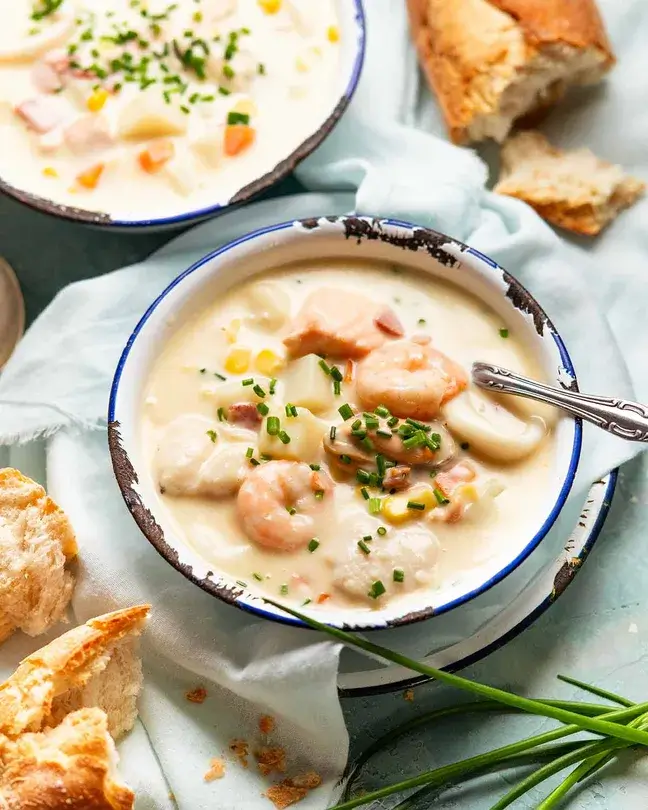
Few dishes carry the comforting warmth and ocean-kissed richness of a beautifully crafted Seafood Chowder. Whether served in a rustic bread bowl, paired with crusty sourdough, or enjoyed straight from a steaming pot on a chilly evening, this classic coastal dish captures the heart and soul of seafood lovers everywhere. Across New England, Ireland, Atlantic Canada, and beyond, seafood chowder has become a beloved staple—and for good reason.
In this comprehensive guide, you’ll learn everything from ingredient selection to expert cooking techniques, common mistakes to avoid, variations from around the world, and professional chef tips that guarantee your chowder comes out perfect every single time.
Let’s dive in—spoon first.
What Is Seafood Chowder? A Quick Overview
Seafood chowder is a thick, creamy soup loaded with a variety of seafood, vegetables, seasonings, and a rich broth. Its origins trace back to European settlers who adapted traditional fish stews to the ingredients found along the Atlantic coast. Over time, this hearty dish evolved into numerous regional variations, but the foundation remains the same: comforting, creamy, deeply flavorful, and full of the fresh taste of the sea.
Traditional chowders rely on:
- Fresh seafood (fish, shrimp, clams, scallops, crab, etc.)
- Cream or milk
- Aromatic vegetables such as onions, celery, and potatoes
- Butter and sometimes bacon
- Herbs and seasonings
Ingredients You Need for the Perfect Seafood Chowder
To create a chowder with restaurant-level depth and richness, ingredient quality is everything. Here’s a breakdown of what you need and why each ingredient matters.
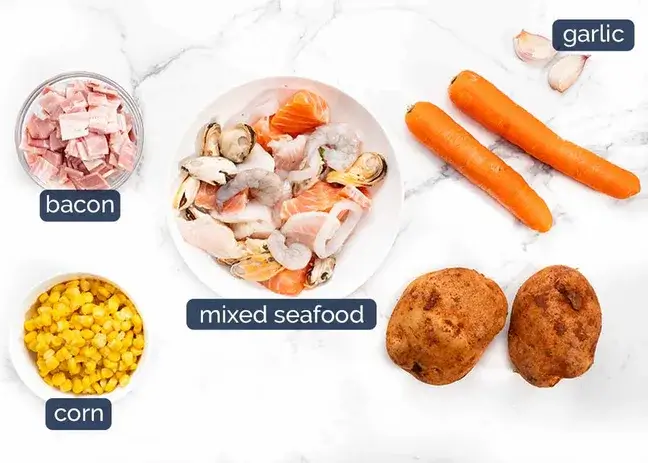
1. Seafood (Fresh or Frozen)
Choose a variety for best flavor and texture:
- White fish: Cod, haddock, pollock, halibut
- Shellfish: Clams, mussels, shrimp, scallops
- Crab meat or lobster for luxury versions
Always ensure seafood is:
- Fresh-smelling (never fishy)
- Firm to the touch
- Properly cleaned and deveined (for shrimp)
2. Vegetables
Classic chowder veggies include:
- Onions
- Celery
- Potatoes (Yukon gold recommended)
- Carrots (optional, but adds sweetness)
- Leeks (for a more delicate onion flavor)
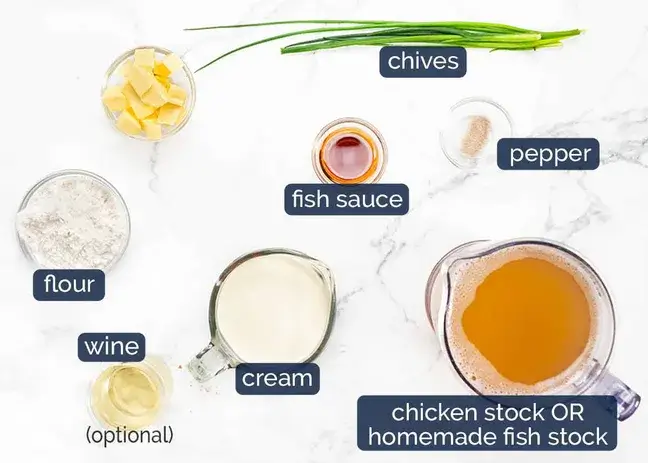
3. Fat and Flavor Base
- Butter
- Bacon or salt pork (optional but adds smoky depth)
- Olive oil (for sautéing if avoiding pork)
4. Liquid Components
- Seafood stock or clam juice
- Heavy cream
- Whole milk (optional for lighter chowders)
- A splash of dry white wine (optional but recommended)
5. Seasonings and Herbs
- Bay leaves
- Thyme
- Old Bay seasoning
- Parsley
- Salt and pepper
- Paprika (for subtle color and warmth)
Step-by-Step Seafood Chowder Recipe (Restaurant Style)
Below is a foolproof recipe designed to produce an aromatic, creamy, and irresistibly flavorful chowder.
Ingredients
- 1 lb white fish, cut into cubes
- ½ lb shrimp, peeled and deveined
- ½ lb scallops
- ½ cup butter
- 1 cup diced onions
- 1 cup diced celery
- 2 cups potatoes, cubed
- 4 cups seafood stock
- 2 cups heavy cream
- ½ cup bacon bits (optional)
- 2 bay leaves
- 1 teaspoon thyme
- Salt, pepper
- Fresh parsley
Instructions
- Sauté aromatics.
Melt butter over medium heat. Add onions and celery, cooking until soft and fragrant. - Add potatoes and bacon.
Cook for 2–3 minutes, letting the flavors blend. - Pour in stock and herbs.
Add bay leaves, thyme, and bring to a gentle simmer until potatoes are tender. - Add seafood.
Stir in fish, shrimp, and scallops. Cook gently—avoid boiling, which toughens seafood. - Add cream.
Reduce heat and slowly stir in heavy cream. Simmer lightly for 5 minutes. - Season and serve.
Add salt, pepper, and parsley. Serve hot with bread.

Types of Seafood Chowder from Around the World
1. New England Seafood Chowder
Thick, creamy, and rich—made primarily with milk or cream.
2. Irish Seafood Chowder
Often includes salmon and smoked fish for intense flavor.
3. Manhattan Seafood Chowder
Tomato-based instead of creamy—lighter and tangier.
4. Nova Scotia Chowder
Famous for multiple seafoods and vibrant pink hue from cooked lobster roe.
5. Pacific Northwest Chowder
Often includes smoked salmon, dill, and wild-caught fish.
Expert Tips for a Superior Seafood Chowder
- Do not overcook the seafood. It becomes rubbery.
- Use seafood stock, not chicken stock. Depth of flavor matters.
- Add cream at low heat. Prevents separation.
- Cut potatoes uniformly. Ensures even cooking.
- Let chowder rest 10 minutes before serving. Flavors deepen.
Common Mistakes to Avoid
- Boiling after adding cream
- Adding seafood too early
- Over-salting before reducing the broth
- Using low-fat dairy (separates easily)
- Using old or low-quality seafood
How to Store and Reheat Seafood Chowder
Refrigeration
Store in airtight containers up to 2–3 days.
Freezing
Not recommended due to separation of cream and texture changes.
Reheating
Use low heat on stovetop—never boil.
Nutritional Information (Approximate Per Serving)
| Component | Amount |
|---|---|
| Calories | 420–550 |
| Protein | 25–35g |
| Fat | 25–35g |
| Carbs | 25–30g |
| Sodium | Moderate–High |
Table of Contents
Table of Contents
Serving Suggestions
- Sourdough bread bowls
- Oyster crackers
- Freshly baked garlic bread
- Side salad with lemon vinaigrette
- Glass of white wine (Pinot Grigio or Chardonnay)
Frequently Asked Questions
1. Can I substitute milk for cream?
Yes, but it creates a thinner chowder. A mix of milk + butter works best.
2. Can I use frozen seafood?
Absolutely—just thaw completely and pat dry.
3. How do I thicken chowder?
Use a butter-flour roux or add mashed potatoes.
4. What fish works best?
Firm white fish like cod, haddock, and halibut.
5. Can I make it gluten-free?
Yes—use cornstarch or potato starch instead of flour.
Conclusion
Seafood chowder is more than a recipe—it’s a celebration of coastal cooking, blending hearty vegetables, rich cream, and the freshest seafood into one unforgettable bowl. With the right ingredients, proper techniques, and a little patience, you can make a chowder that rivals even the best seaside restaurants. Whether you’re a beginner or an experienced home cook, this guide gives you everything you need to create a comforting, flavor-packed masterpiece.
Print10 Best Tips for Making the Perfect Seafood Chowder (Creamy, Flavorful & Authentic)

Few dishes carry the comforting warmth and ocean-kissed richness of a beautifully crafted Seafood Chowder. Whether served in a rustic bread bowl, paired with crusty sourdough, or enjoyed straight from a steaming pot on a chilly evening, this classic coastal dish captures the heart and soul of seafood lovers everywhere. Across New England, Ireland, Atlantic Canada, and beyond, seafood chowder has become a beloved staple—and for good reason.
Ingredients
Seafood (Fresh or Frozen)
Choose a variety for best flavor and texture:
-
White fish: Cod, haddock, pollock, halibut
-
Shellfish: Clams, mussels, shrimp, scallops
-
Crab meat or lobster for luxury versions
Always ensure seafood is:
-
Fresh-smelling (never fishy)
-
Firm to the touch
-
Properly cleaned and deveined (for shrimp)
2. Vegetables
Classic chowder veggies include:
-
Onions
-
Celery
-
Potatoes (Yukon gold recommended)
-
Carrots (optional, but adds sweetness)
-
Leeks (for a more delicate onion flavor)
3. Fat and Flavor Base
-
Butter
-
Bacon or salt pork (optional but adds smoky depth)
-
Olive oil (for sautéing if avoiding pork)
4. Liquid Components
-
Seafood stock or clam juice
-
Heavy cream
-
Whole milk (optional for lighter chowders)
-
A splash of dry white wine (optional but recommended)
5. Seasonings and Herbs
-
Bay leaves
-
Thyme
-
Old Bay seasoning
-
Parsley
-
Salt and pepper
-
Paprika (for subtle color and warmth)
Instructions
-
Sauté aromatics.
Melt butter over medium heat. Add onions and celery, cooking until soft and fragrant. -
Add potatoes and bacon.
Cook for 2–3 minutes, letting the flavors blend. -
Pour in stock and herbs.
Add bay leaves, thyme, and bring to a gentle simmer until potatoes are tender. -
Add seafood.
Stir in fish, shrimp, and scallops. Cook gently—avoid boiling, which toughens seafood. -
Add cream.
Reduce heat and slowly stir in heavy cream. Simmer lightly for 5 minutes. -
Season and serve.
Add salt, pepper, and parsley. Serve hot with bread. -
1 lb white fish, cut into cubes
-
½ lb shrimp, peeled and deveined
-
½ lb scallops
-
½ cup butter
-
1 cup diced onions
-
1 cup diced celery
-
2 cups potatoes, cubed
-
4 cups seafood stock
-
2 cups heavy cream
-
½ cup bacon bits (optional)
-
2 bay leaves
-
1 teaspoon thyme
-
Salt, pepper
-
Fresh parsley