Introduction
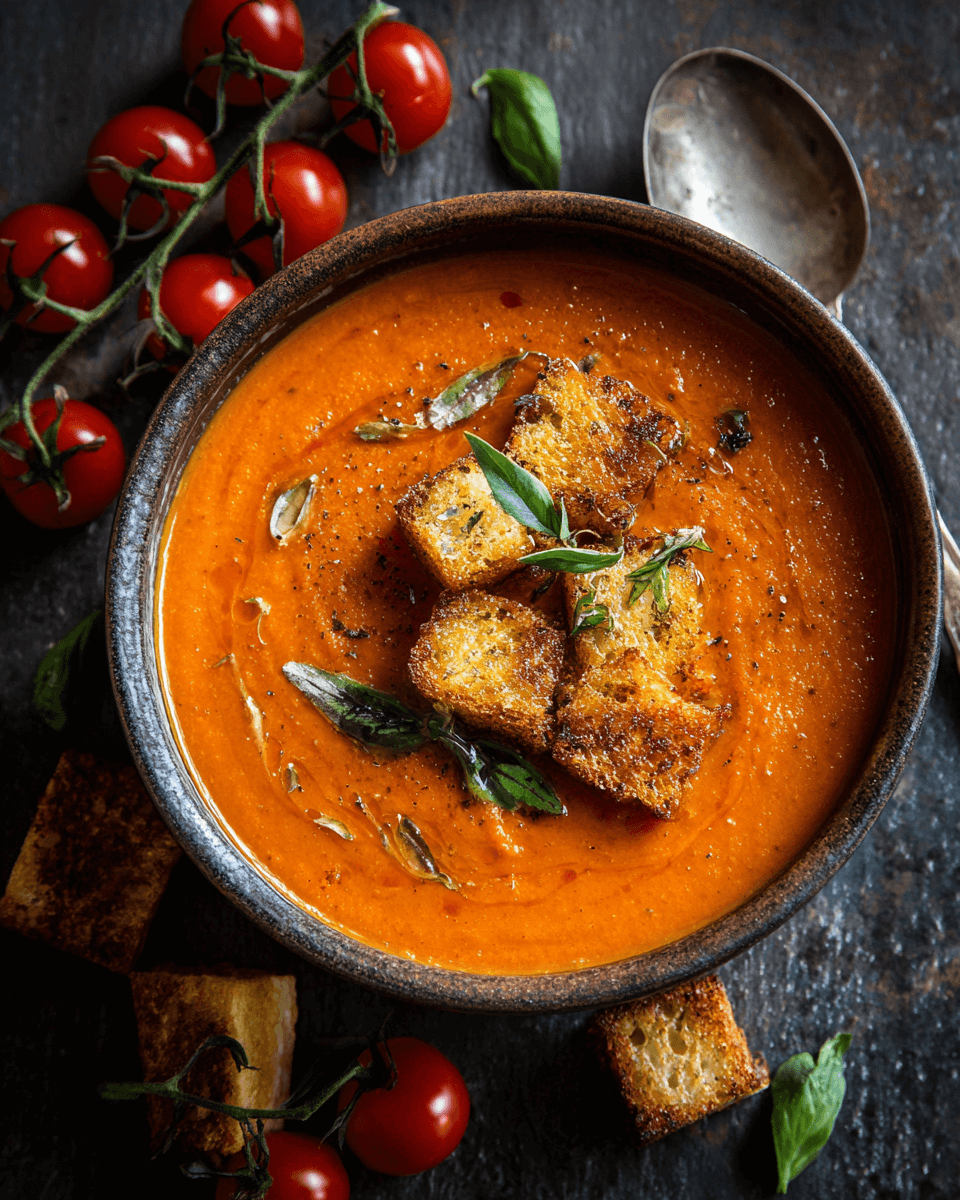
There's something magical about the aroma of roasted tomatoes wafting through your kitchen. When combined with the convenience of a pressure cooker, it transforms simple ingredients into a heartwarming soup in no time. This recipe for roasted tomato soup is not only quick to prepare, but it’s also bursting with flavor and nutrients, making it perfect for anyone looking to brighten their meal routine.
The beauty of this dish lies in its versatility. Whether you serve it as a light lunch, a comforting dinner, or a starter for gathering, this soup will be a hit. With just a few fresh ingredients and some time in the pressure cooker, you can elevate the humble tomato into a rich and delicious culinary experience.
Ingredients
- 2 lbs ripe tomatoes, halved
Ripe tomatoes are the star of this dish, providing natural sweetness and acidity. Roasting enhances their flavor, concentrating the sugars and leading to a deeper, more vibrant soup. - 1 onion, chopped
Onions add a robust base flavor to the soup. When sautéed with the tomatoes, they caramelize slightly, contributing sweetness that balances the acidity of the tomatoes. - 4 cloves garlic, minced
Garlic brings a fragrant, savory punch to the mix. Its bold flavor enhances the overall taste of the soup and complements the sweetness of the tomatoes. - 2 cups vegetable broth
Vegetable broth serves as the liquid base for the soup, adding layers of flavor. You can adjust the amount based on your preferred soup consistency, making it key for overall texture. - 2 tablespoons olive oil
Olive oil aids in roasting the vegetables to perfection, helping to develop the rich flavors through caramelization while also contributing a bit of healthy fat. - Salt and black pepper to taste
Seasoning is crucial; it elevates the dish by enhancing the natural flavors of the ingredients. Adjusting the salt and pepper allows you to achieve the perfect balance. - 1 teaspoon dried basil
Dried basil adds an herbal note that pairs beautifully with tomatoes, evoking classic Italian flavors. It infuses the soup with a warm, aromatic quality. - 1 tablespoon balsamic vinegar (optional)
Balsamic vinegar provides a hint of acidity and sweetness that can brighten the finished soup. It’s optional but adds a nice depth to the overall flavor profile.
Directions & Preparation
Step 1: Preheat your pressure cooker in sauté mode.
Starting with the sauté mode allows the garlic and onions to caramelize, which layers the soup with complex flavors. This initial step is crucial as it sets the foundation for the soup, enhancing every subsequent ingredient added.
Step 2: Add the olive oil, chopped onion, and minced garlic. Sauté until soft and translucent.
Cooking the onion and garlic until they're soft allows their natural sugars to develop, creating a sweeter base. This aromatically rich start is essential for deepening the overall taste of the soup.
Step 3: Place the halved tomatoes in the pot, cut side up. Sprinkle with salt, pepper, and dried basil.
By roasting the tomatoes directly inside the pressure cooker after the aromatics, you'll ensure that their flavors meld perfectly. The cut sides open up, allowing the seasonings to penetrate the tomatoes, intensifying their natural sweetness.
Step 4: Pour in the vegetable broth and add balsamic vinegar if using. Close the lid and set the pressure to high for 10 minutes.
Adding broth creates the soup’s body. The high pressure cooks everything quickly, ensuring that the tomatoes break down and release their juices while becoming incredibly tender, which is vital for a silky soup consistency.
Step 5: Once cooking time is up, use a quick release to vent the pressure. Carefully open the lid when safe to do so.
Quick releasing the pressure halts cooking immediately, preventing overcooking. This method helps retain the bright flavors and vivid color of the tomatoes, making the final soup appealing and fresh.
Step 6: Use an immersion blender to purée the soup until smooth, or transfer to a blender in batches if necessary.
Blending the soup creates the right texture; it should be velvety. If using a traditional blender, allow it to cool slightly before blending to avoid splatters. This step is crucial for achieving a refined soup consistency.
Step 7: Taste and adjust seasoning before serving, adding more salt, pepper, or basil if needed.
Since flavors can vary widely between ingredients, adjusting seasoning at this final stage ensures the soup meets your preference. Tasting and fine-tuning flavor at the end is essential for a balanced dish.
Roasted Tomato Technique
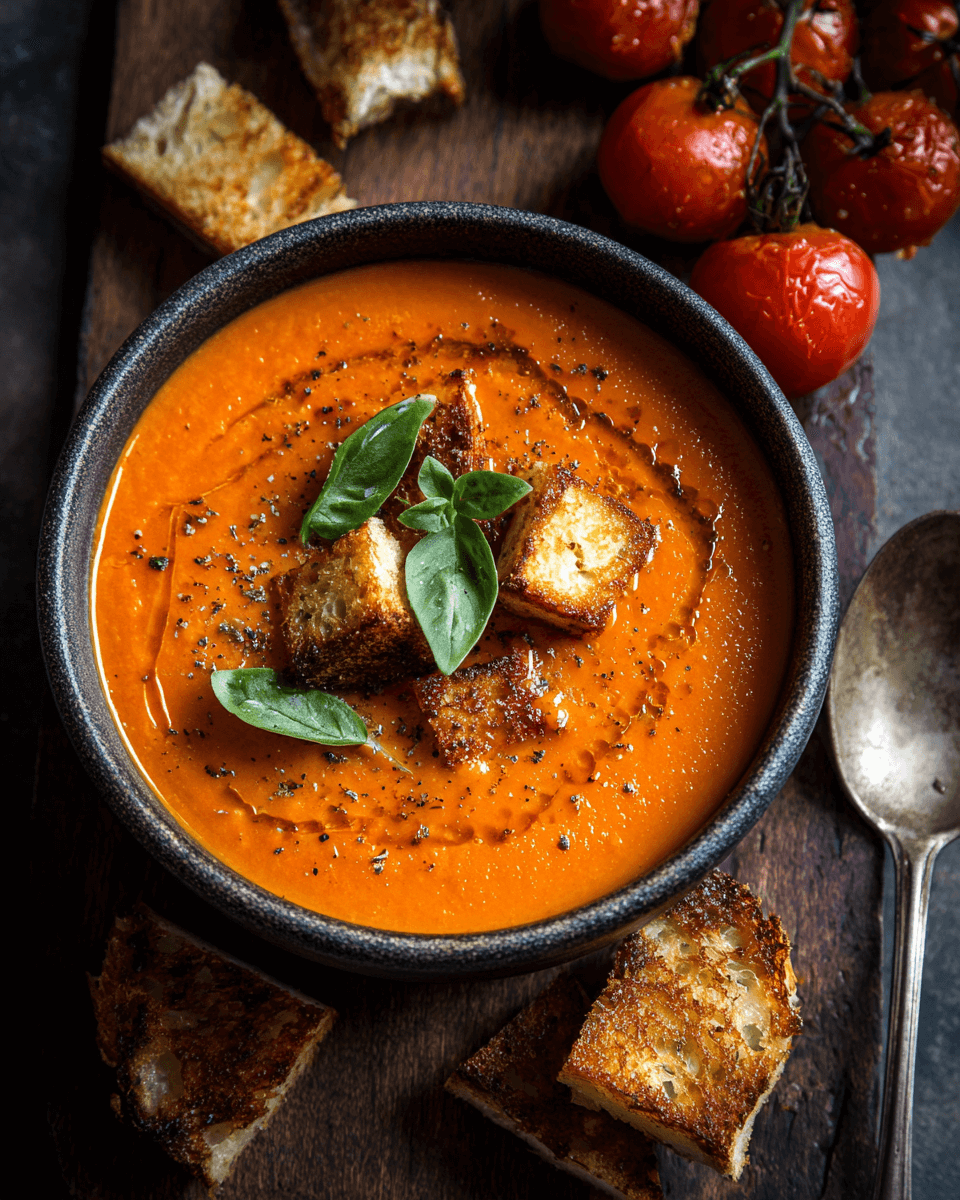
Roasting tomatoes intensifies their natural sweetness and flavor. The process caramelizes their sugars, which creates a richer base for the soup. You can use different types of tomatoes, such as heirloom or grape, for varied flavor profiles; however, using ripe seasonal tomatoes will yield the best results.
Perfect Pairings
This roasted tomato soup pairs wonderfully with a variety of sides, enhancing your meal experience. A crispy slice of grilled cheese or a hearty breadstick can complement the smoothness of the soup perfectly. Additionally, topped with fresh basil or a dollop of crème fraîche can elevate the dish visually and in flavor.
Customizing Your Soup
This recipe serves as a fantastic base that lends itself to customization. You can add ingredients like red pepper flakes for heat or toss in some spinach or shredded carrots for extra nutrition. Adjusting the spices and herbs can change the aroma and taste, making it a versatile option for your recipe repertoire.
FAQs
What if the soup is too thick?
If the soup turns out thicker than desired, simply add more vegetable broth to achieve your preferred consistency. Blend again if necessary.
Can I add cream to this soup?
Yes, you can swirl in heavy cream or a plant-based cream for a richer texture. Add it right before serving and stir to combine.
Why did my soup turn out bland?
If your soup lacks flavor, it may need more seasoning. Ensure you taste and adjust with salt, pepper, or herbs like basil and oregano.
Can I use canned tomatoes instead of fresh?
Absolutely, canned tomatoes work well. Opt for whole or crushed tomatoes, but adjust the cooking time to ensure proper consistency.
Is there a way to include more vegetables in the soup?
Yes! You can add chopped carrots, celery, or peppers during the sauté stage to boost the veggie content while enriching the flavor.
How can I make the soup spicier?
For a kick, add crushed red pepper flakes or diced jalapeños when you sauté the onions and garlic. Adjust the amounts to your heat preference.
Conclusion
This quick and delicious roasted tomato soup is a testament to the power of simple, quality ingredients. In just under an hour, your kitchen can be filled with the tantalizing aroma of roasted tomatoes, creating a wholesome experience for you and your loved ones.
As you savor each spoonful, remember that the beauty of this recipe lies in its adaptability; it can serve as both a nourishing meal and a versatile canvas for your culinary creativity. Enjoy making this soup as much as you will enjoy eating it.
Recipe Card
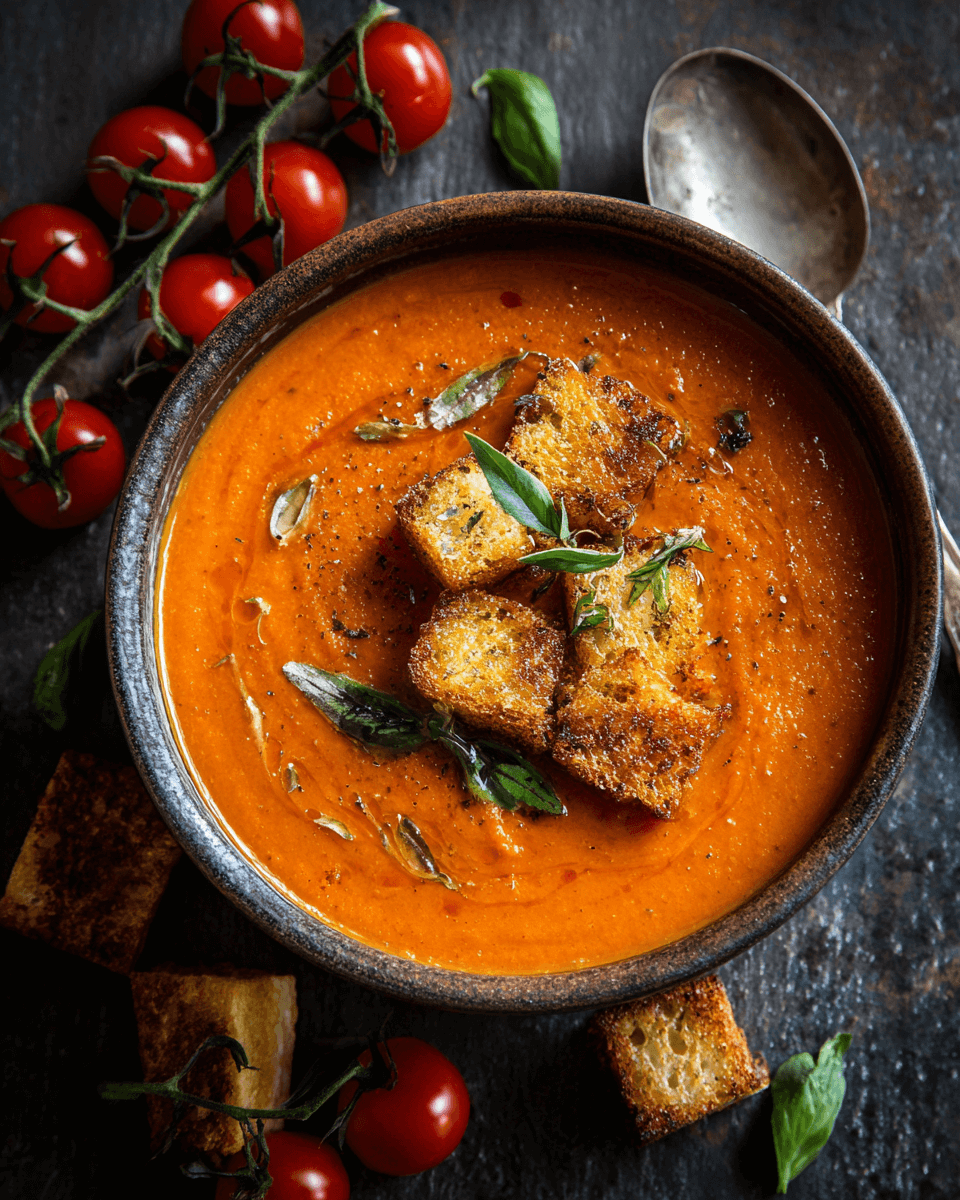
Wholesome Roasted Tomato Soup in a Pressure Cooker
Ingredients
Method
- Preheat your pressure cooker in sauté mode.
- Add the olive oil, chopped onion, and minced garlic. Sauté until soft and translucent.
- Place the halved tomatoes in the pot, cut side up. Sprinkle with salt, pepper, and dried basil.
- Pour in the vegetable broth and add balsamic vinegar if using. Close the lid and set the pressure to high for 10 minutes.
- Once cooking time is up, use a quick release to vent the pressure. Carefully open the lid when safe to do so.
- Use an immersion blender to purée the soup until smooth, or transfer to a blender in batches if necessary.
- Taste and adjust seasoning before serving, adding more salt, pepper, or basil if needed.
Notes
Additional serving suggestions: pair with a crisp salad, garlic bread, or roasted seasonal vegetables for balance.
For make-ahead, prep components separately and assemble just before heating to preserve texture.
Taste and adjust with acid (lemon/vinegar) and salt right at the end to wake up flavors.