Introduction
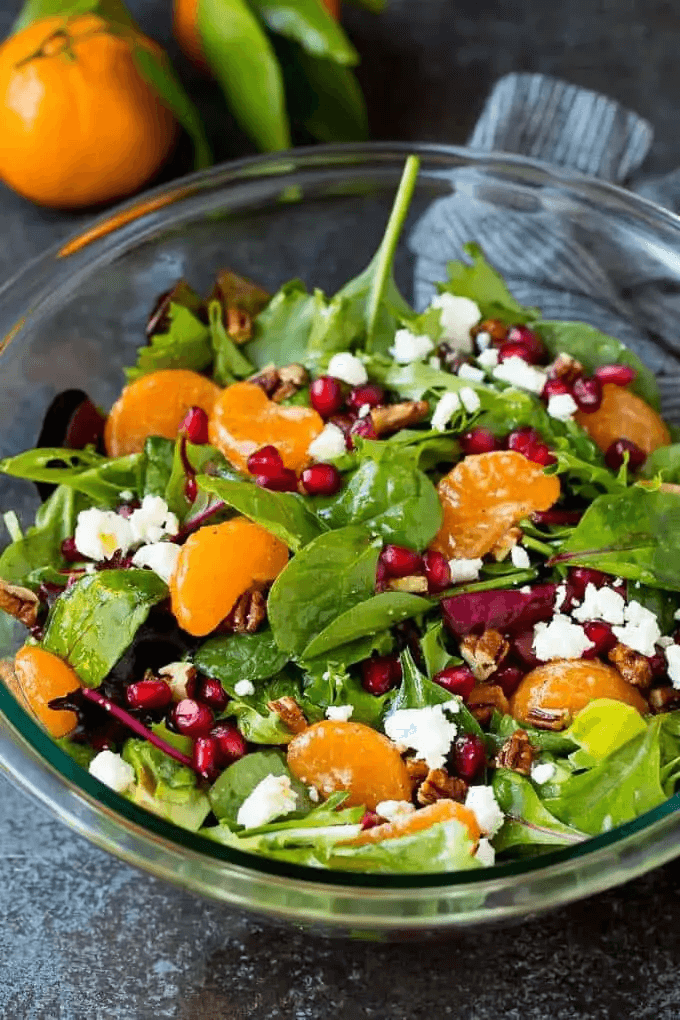
As winter settles in, hearty and nutritious meals become essential. However, salads can also play a vital role in your winter menu, providing a refreshing contrast to heavier dishes. Combining seasonal ingredients, a winter salad can enliven your dinner table and enhance your overall health during the colder months.
This winter salad recipe features a melange of flavors and textures that reflects the bounty of the season. From roasted vegetables to crunchy nuts, each ingredient brings its own unique contribution that will warm your soul while keeping your palate satisfied.
Ingredients
- 3 cups kale, torn
Kale is a nutrient-dense leafy green packed with vitamins A, K, and C. Its robust texture holds up well against hearty toppings and dressings, making it an ideal base for a winter salad. - 1 cup roasted Brussels sprouts, halved
Roasting Brussels sprouts caramelizes their natural sugars, creating a deep flavor that adds warmth and earthiness. Their crispy exterior contributes delightful crunch in every bite. - 1 cup diced butternut squash, roasted
Butternut squash offers a sweet, nutty flavor along with a creamy texture. Roasting it enhances its sweetness and pairs beautifully with the savory elements in the salad. - 1/2 cup pomegranate seeds
Pomegranate seeds provide a burst of tartness and bright color. Their jewel-like appearance adds visual appeal, while the tangy flavor complements the salad's other ingredients. - 1/3 cup pecans, toasted and chopped
Toasted pecans add a rich, buttery flavor and satisfying crunch, offering healthy fats and protein. Their nutty taste enhances the overall depth of the salad. - 1/4 cup feta cheese, crumbled
Feta cheese introduces a creamy, salty element that balances the sweetness of the roasted vegetables. It also adds a layer of flavor complexity to the salad. - 3 tablespoons olive oil
Olive oil is a key ingredient for the dressing, contributing healthy fats that help absorb vitamins from the salad. It also brings a rich flavor that ties all components together. - 1 tablespoon balsamic vinegar
Balsamic vinegar adds a tangy sweetness that brightens the salad and enhances the flavors of the ingredients. It also brings a pleasant acidity to the dish. - Salt and pepper to taste
Seasoning with salt and pepper elevates all the flavors in the salad, ensuring that every bite is delicious. Adjusting the seasoning to your liking is essential for balance.
Directions & Preparation
Step 1: Preheat your oven to 400°F (200°C).
Starting with a preheated oven is crucial for roasting vegetables effectively. This temperature helps achieve a caramelized exterior while maintaining tenderness inside. Make sure your oven is fully heated before placing the Brussels sprouts and butternut squash inside.
Step 2: Prepare the Brussels sprouts and butternut squash.
Toss the halved Brussels sprouts and diced butternut squash in olive oil, salt, and pepper before roasting them in a single layer on a baking sheet. This ensures that they cook evenly, leading to a crispy texture. Roasting them together allows their complementary flavors to meld in the oven.
Step 3: Roast for 25-30 minutes until tender and caramelized.
As the vegetables roast, their natural sugars caramelize, creating a rich flavor profile. Keep an eye on them, turning halfway through to ensure even cooking and prevent burning. The goal is a nice golden color and a fork-tender texture.
Step 4: While the vegetables roast, prepare the dressing.
In a small bowl, whisk together olive oil and balsamic vinegar with a pinch of salt and pepper until well combined. The dressing should be balanced—taste and adjust if necessary. This step is vital as the dressing should complement, not overwhelm, the freshness of the salad.
Step 5: In a large bowl, combine the kale, roasted Brussels sprouts, and butternut squash.
The kale's sturdiness makes it perfect for winter salads, and combining it with the roasted vegetables creates an exciting mix of textures. Make sure to check the temperature of the vegetables—allow them to cool for a few minutes so they don't wilt the kale.
Step 6: Add pomegranate seeds, toasted pecans, and feta cheese.
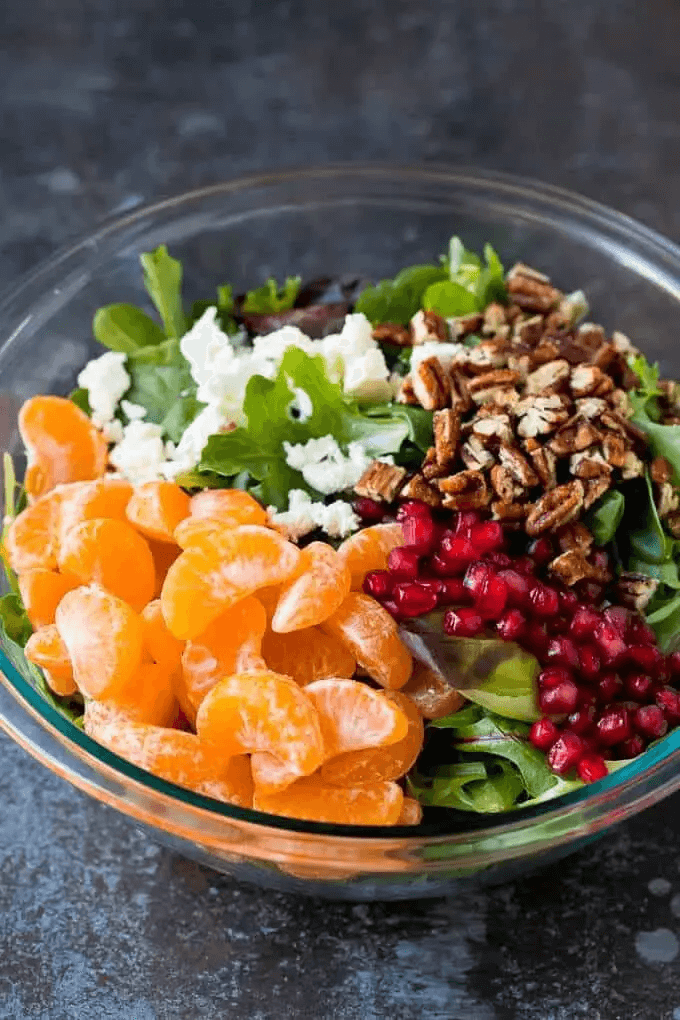
These toppings offer a variety of flavors and textures, from the crunch of pecans to the juiciness of pomegranate seeds. The feta cheese adds a creamy contrast that enhances the overall taste experience of the salad, making each bite a delightful surprise.
Step 7: Drizzle the dressing over the salad and toss gently.
Properly drizzling and tossing the salad ensures that all ingredients are evenly coated with the dressing. Take care not to overwork the kale, as it can become bruised. Toss just enough to mix flavors while preserving the integrity of each ingredient.
Step 8: Serve immediately for optimal freshness.
Springing the salad onto the table right after tossing guarantees that the textures remain crisp and the flavors bright. Enjoy it while it’s fresh, allowing the vibrant colors and delicious flavors to bring warmth to your winter dining experience.
The Benefits of Seasonal Eating
Eating seasonally not only supports local farmers but also provides access to produce at its peak freshness. In winter, that means hearty greens and root vegetables, which are packed with nutrients. Incorporating these ingredients into your meals can enhance both flavor and nutritional value, making this winter salad a perfect example of seasonal eating.
Elevating Flavor with Roasting
Roasting vegetables like Brussels sprouts and butternut squash brings out their natural sweetness and creates a satisfying depth of flavor. This cooking technique enhances the aromas and adds a layer of complexity to the dish, making simple vegetables taste extraordinary. It’s a method that transforms how we experience winter produce.
Creating Balance in Salads
A well-balanced salad combines various flavors and textures to create a harmonious dish. In this winter salad, the crunch of pecans and the juiciness of pomegranate seeds are offset by the creaminess of feta cheese and the heartiness of the roasted veggies. This balance ensures that every bite is enjoyable and satisfying, making your salad a focal point of the meal.
FAQs
What if I can't find pomegranate seeds?
You can substitute pomegranate seeds with dried cranberries or other tart fruits like chopped apples or grapes. These alternatives will still provide a sweet and tangy contrast to the roasted veggies.
How can I make the salad more filling?
To add more substance, include cooked grains like quinoa, farro, or even some roasted chickpeas. These additions will enhance the salad's nutritional value and keep you full longer.
What if my kale is too tough?
If your kale seems overly tough, consider massaging it. Gently rub the leaves with your fingers for a minute or two; this process helps break down the fibrous texture, making it more palatable and tender.
Is there a way to customize the nuts used?
Absolutely! Feel free to replace pecans with walnuts, almonds, or even sunflower seeds. Each nut brings its unique flavor and crunch, allowing you to tailor the salad to your preferences.
Can I add protein to this salad?
Yes! Adding grilled chicken, roasted turkey, or even sliced hard-boiled eggs makes a great protein addition to the salad, increasing its heartiness while maintaining its freshness.
What do I do if the dressing is too thick?
If you find your dressing too thick, simply whisk in a tablespoon of water or additional balsamic vinegar. This will help achieve the desired consistency without compromising flavor.
Conclusion
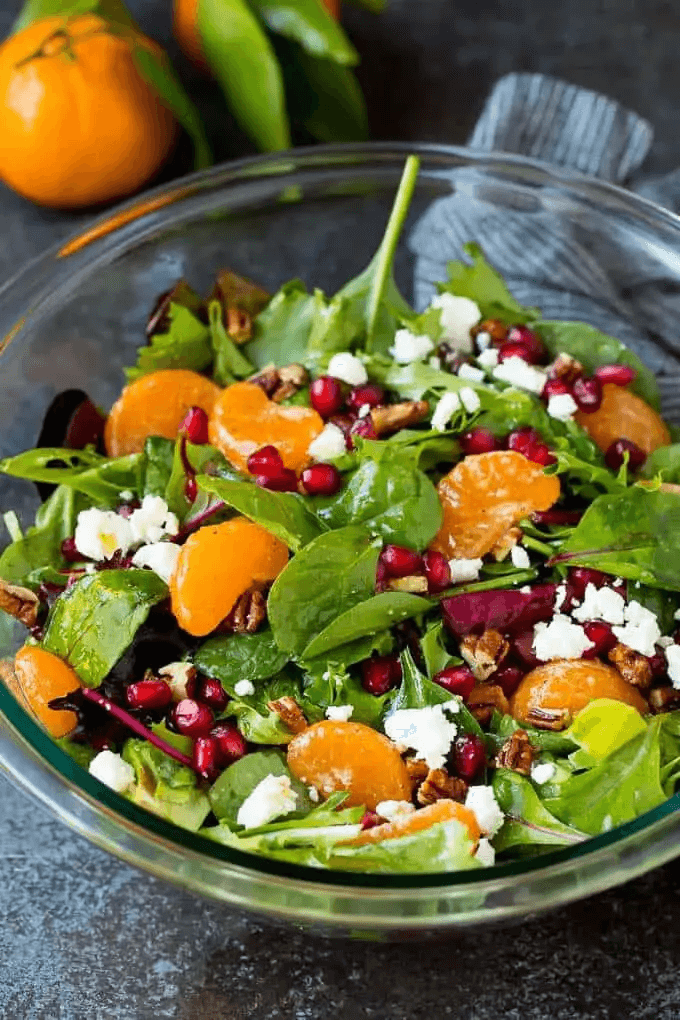
This winter salad not only showcases the season's best produce but also delivers a vibrant array of flavors and textures that can brighten any table. Its ease of preparation makes it a convenient choice for busy weeknights or festive gatherings.
Feel free to adapt the ingredients based on your preferences and what’s available in your local market. Enjoy this colorful dish regularly, and celebrate the joys of winter cooking with every delicious bite.
Recipe Card
A Cozy Winter Salad to Brighten Your Table
Ingredients
Method
- Preheat your oven to 400°F (200°C).
- Prepare the Brussels sprouts and butternut squash.
- Roast for 25-30 minutes until tender and caramelized.
- While the vegetables roast, prepare the dressing.
- In a large bowl, combine the kale, roasted Brussels sprouts, and butternut squash.
- Add pomegranate seeds, toasted pecans, and feta cheese.
- Drizzle the dressing over the salad and toss gently.
- Serve immediately for optimal freshness.
Notes
Additional serving suggestions: pair with a crisp salad, garlic bread, or roasted seasonal vegetables for balance.
For make-ahead, prep components separately and assemble just before heating to preserve texture.
Taste and adjust with acid (lemon/vinegar) and salt right at the end to wake up flavors.