Introduction
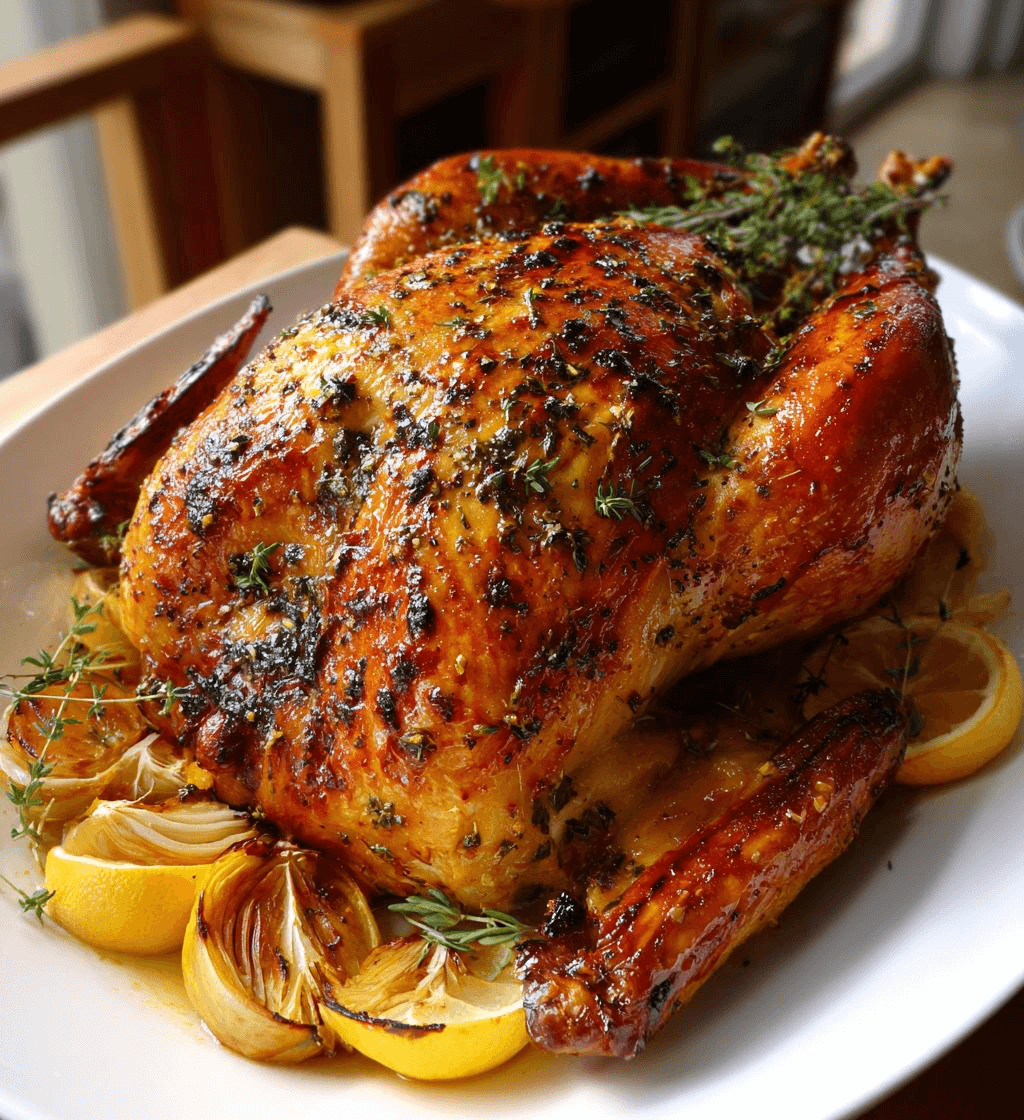
As Thanksgiving approaches, the centerpiece of the feast takes center stage: the turkey. But what truly elevates this holiday staple is how it's seasoned. Proper seasoning ensures that every bite of turkey is flavorful and moist, setting the tone for a memorable holiday gathering.
This year, instead of relying solely on tradition, consider how different herbs, spices, and techniques can transform your turkey into a succulent dish that's bursting with flavor. From the brine to the herbs, the right combination can make all the difference.
Ingredients
- 1 large turkey (12-14 lbs)
Choosing the right turkey is essential for a flavorful roast. A larger bird provides ample servings and enough meat for those beloved leftovers, while ensuring everyone at your table is satisfied. - 1/2 cup kosher salt
Kosher salt is crucial for brining, helping to retain moisture in the turkey during cooking. It also enhances the turkey's natural flavors, ensuring each slice is seasoned thoroughly from the inside out. - 1/4 cup brown sugar
Adding brown sugar to your brine introduces a subtle sweetness that balances the saltiness. This caramelizes beautifully during roasting, creating a deliciously golden crust. - 8 cups water
Water is the base of the brine that helps dissolve the salt and sugar, infusing the turkey with flavor. The brining process draws moisture into the meat, ensuring it doesn't dry out during cooking. - 3 tbsp olive oil
Olive oil is essential to coat the turkey skin before roasting. It helps achieve a crispy, golden exterior while locking in moisture, rendering the turkey tender and juicy throughout. - 2 tbsp fresh rosemary, chopped
Rosemary adds an aromatic flavor that pairs beautifully with turkey. Its pine-like notes enhance the earthiness of the bird, making each bite fragrant and flavorful. - 2 tbsp fresh thyme, chopped
Thyme's subtle herbal flavor complements the richness of turkey. It works harmoniously with other herbs, creating a balanced seasoning profile that feels sophisticated yet comforting. - 2 tbsp garlic powder
Garlic powder infuses the turkey with depth and umami. It enhances other seasonings and ensures a robust flavor without overwhelming the delicate taste of the turkey itself. - 1 tbsp black pepper
Black pepper adds a hint of heat and complexity. It enhances all the other flavors, giving a subtle kick that contrasts the sweetness of the brown sugar.
Directions & Preparation
Step 1: Prepare the brine.
Combine kosher salt and brown sugar in a large mixing bowl. Pour in the 8 cups of water, whisking until the salt and sugar fully dissolve. This initial step is crucial as it creates a flavorful brine that incorporates both moisture and seasoning into the turkey, ensuring it doesn’t dry out.
Step 2: Brine the turkey.
Submerge the turkey in the prepared brine, ensuring it is fully covered. Ideally, let it brine for at least 12 hours, but overnight is even better. This allows the salt and sugar to penetrate the meat, leading to a juicier turkey with enhanced flavor. Use a large cooler or brining bag for convenience.
Step 3: Rinse and dry the turkey.
After brining, rinse the turkey thoroughly under cold running water to remove excess salt, then pat it dry with paper towels. This step is essential to prevent the turkey from becoming overly salty and helps the skin crisp up nicely during roasting.
Step 4: Preheat the oven.
Set your oven to 325°F (163°C). Preheating is vital for even cooking and achieving a perfectly browned skin. An adequately heated oven will allow the turkey to roast evenly, preventing any raw spots while ensuring the skin becomes crispy.
Step 5: Season the turkey.
Rub the body and cavity of the turkey with olive oil, garlic powder, and black pepper, then sprinkle the fresh herbs over the surface. This is where the flavor truly builds. Coating the skin in oil not only adds flavor but also ensures a beautifully golden finished product. Making sure to get into the cavity guarantees that every part of the turkey is seasoned well.
Step 6: Roast the turkey.
Place the turkey on a rack in a roasting pan and put it in the preheated oven. Roast for about 13-15 minutes per pound, basting occasionally. This step focuses on developing that rich, golden crust and ensures even cooking. Using a meat thermometer to check for an internal temperature of 165°F (75°C) in the thickest part will ensure your turkey is done.
Step 7: Rest the turkey.
Once roasted, let the turkey rest for at least 30 minutes before carving. Resting is essential for redistributing the juices throughout the meat, guaranteeing each slice remains juicy and tender. During this time, the turkey continues to cook slightly, which is critical for optimal doneness.

Herb-Infused Butter Mix
Incorporating a herb-infused butter under the skin of the turkey adds a layer of rich flavor. Mix softened butter with chopped herbs like thyme and rosemary, then gently slide it beneath the turkey skin. This technique not only helps keep the meat moist but also delivers a fragrant taste that's prominent in every bite.
Creative Stuffing Ideas
While traditional bread stuffing is always a hit, consider adding fruits, nuts, or even wild rice for a unique twist. This not only enhances the flavor profile but also makes the stuffing more textural. A mixture of cranberries, pecans, and sage creates a delightful balance with the savory turkey, giving guests more than just the standard fare.
The Art of Basting
Basting your turkey while it's roasting is an art that results in beautifully even browning and moist meat. Use the pan juices or a mixture of butter and broth to baste your turkey every 30 minutes. This technique not only adds flavor but also helps to keep the skin from drying out, resulting in a delectably crispy exterior.
FAQs
What if my turkey turns out too salty?
If your turkey is overly salty, serving it with a homemade sauce or gravy can help balance the flavors. You can also slice the meat and serve it over a bed of plain rice or mashed potatoes to absorb some of the saltiness.
Can I change the herbs used in the seasoning?
Absolutely! Feel free to substitute any herbs you enjoy, such as sage or oregano. Just consider their flavor profiles as they can either complement or overpower the turkey.
What can I do if my turkey doesn't brown properly?
If your turkey isn’t browning, it may be due to not using enough oil or butter on the skin. Basting with fat every 30 minutes, or increasing the oven temperature slightly in the last hour can help achieve that golden color.
How can I ensure the turkey stays moist during cooking?
Basting regularly during roasting and letting the turkey rest after cooking are key to moisture retention. Using a brine also greatly enhances moisture in the meat.
What’s the best way to check if the turkey is done?
Using a meat thermometer is the most reliable way; the thickest part of the thigh should read 165°F (75°C). If you don’t have one, the juices should run clear, and the meat should feel firm to the touch.
Can I add other flavors to the brine?
Definitely! Feel free to experiment with citrus peels, apple cider, or different spices in your brine for added depth of flavor. Just be mindful not to overwhelm the turkey’s natural taste.
Conclusion
Seasoning your Thanksgiving turkey is an art that requires some thought and preparation, but the result is incredibly rewarding. By using a brine and carefully chosen herbs, you ensure that the bird is not only flavorful but also succulent.
This Thanksgiving, take your turkey to new heights with the right seasoning techniques, creating a dish that will delight your guests and leave lasting memories at the table.
Recipe Card
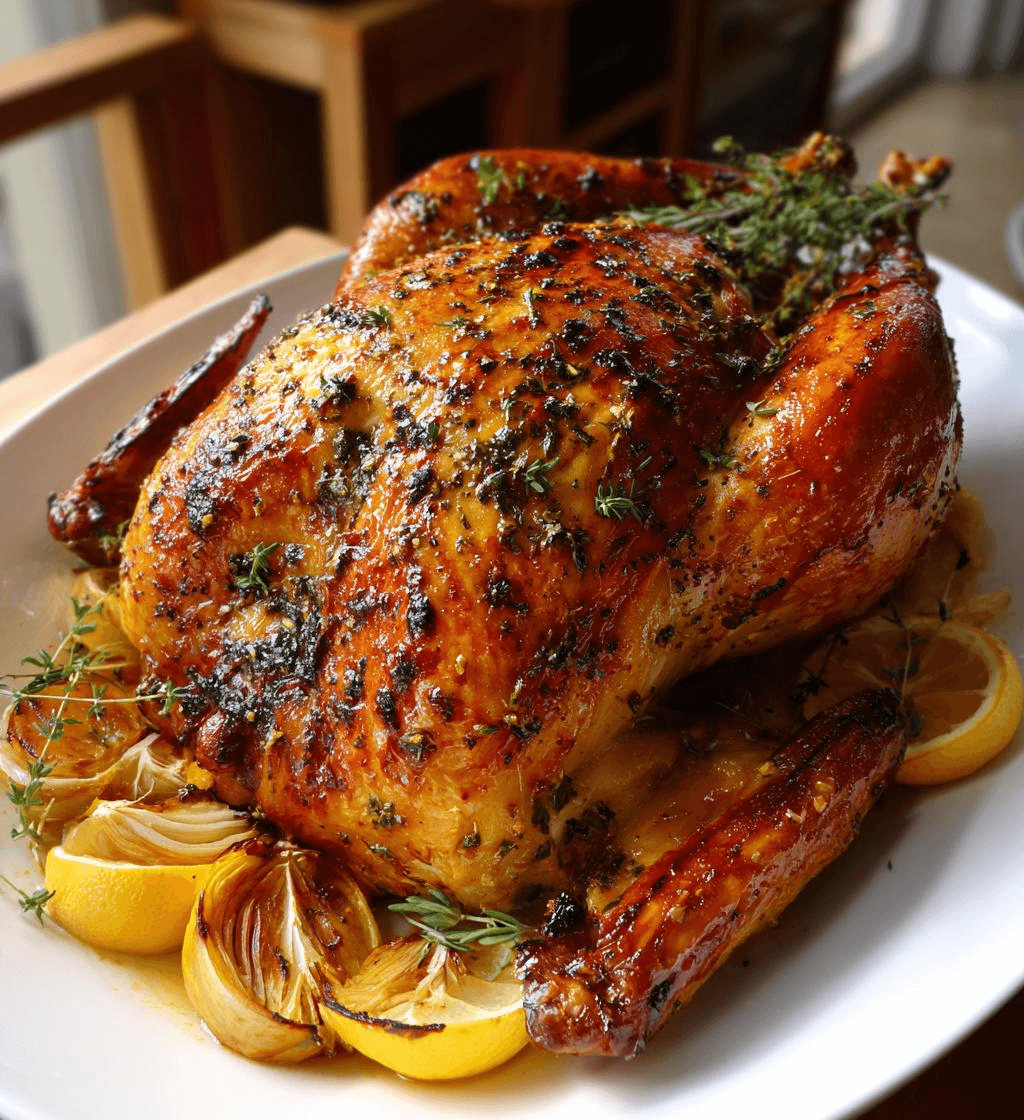
Perfectly Seasoning Your Thanksgiving Turkey
Ingredients
Method
- Prepare the brine.
- Brine the turkey.
- Rinse and dry the turkey.
- Preheat the oven.
- Season the turkey.
- Roast the turkey.
- Rest the turkey.
Notes
Additional serving suggestions: pair with a crisp salad, garlic bread, or roasted seasonal vegetables for balance.
For make-ahead, prep components separately and assemble just before heating to preserve texture.
Taste and adjust with acid (lemon/vinegar) and salt right at the end to wake up flavors.