Introduction
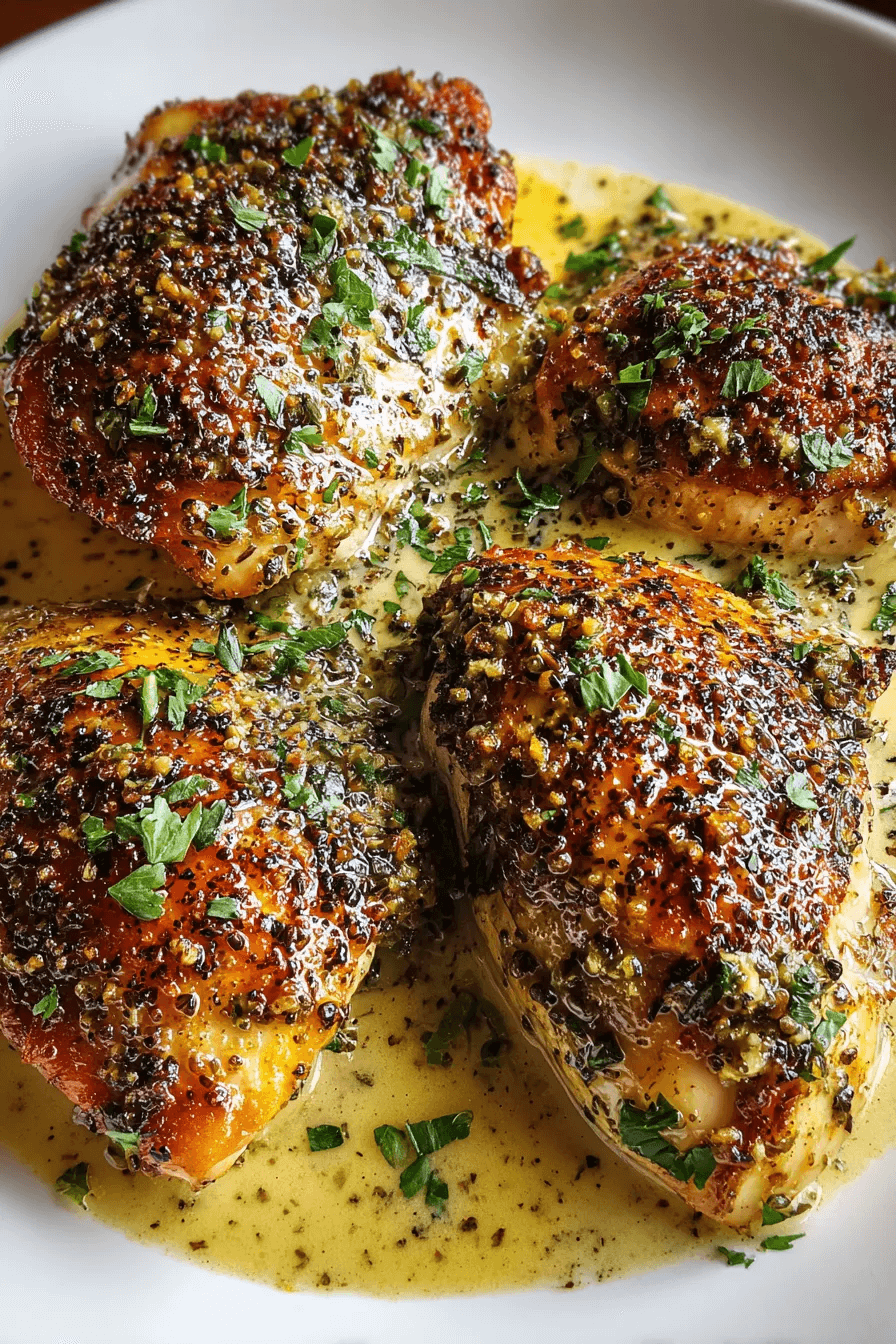
French Mustard Chicken is a delightful dish that effortlessly combines the tang of mustard with tender chicken. This recipe captures the essence of French cuisine, where simplicity meets rich flavors. The sauce is both creamy and zesty, transforming ordinary chicken into an extraordinary meal.
Perfect for weeknight dinners or special occasions, this dish allows home cooks to explore new tastes without complicated techniques. The versatility of mustard enhances the chicken, promising a balance of piquancy and warmth. Let’s dive into the ingredients and preparation that make this recipe shine.
Ingredients
- 4 chicken thighs (bone-in, skin-on)
Opting for bone-in and skin-on chicken thighs ensures juicy meat and crisp skin, enhancing flavor during cooking. - 2 tablespoons Dijon mustard
Dijon mustard adds a rich, tangy flavor that forms the base of the sauce, giving the dish its distinct French character. - 1 tablespoon whole grain mustard
Whole grain mustard introduces texture and a robust taste, complementing the smoothness of Dijon. - 1 cup heavy cream
Heavy cream enriches the sauce, bringing a velvety consistency that binds the mustards and chicken flavors beautifully. - 3 cloves garlic (minced)
Garlic infuses the dish with aromatic depth, enhancing the overall flavor profile of the sauce. - 1 tablespoon olive oil
A touch of olive oil is essential for searing the chicken, helping to achieve that golden-brown crust. - Salt and pepper to taste
Seasoning with salt and pepper at various stages of cooking enhances flavors, making the dish more dynamic. - 1 tablespoon fresh thyme (or 1 teaspoon dried)
Thyme adds an earthy note that complements the mustard and elevates the dish's aromatic quality. - 1 cup chicken broth
Chicken broth provides a savory backdrop for the sauce, balancing the richness from the cream and mustards.
Directions & Preparation
Step 1: Season the chicken thighs with salt and pepper.
Start by seasoning the chicken, as this will ensure each layer of the dish is flavorful. Applying salt and pepper directly on the chicken thighs helps to enhance their natural taste, allowing for a more rounded flavor. This foundational step prepares the chicken for the searing process, promoting a beautifully caramelized exterior.
Step 2: Heat olive oil in a large skillet over medium-high heat.
Warming the olive oil before adding the chicken enhances the searing process, ensuring that the skin becomes crisp and golden. A hot pan is crucial for achieving that desirable texture, allowing the chicken to caramelize effectively. Take care not to overcrowd the skillet, as this can lower the temperature and affect browning.
Step 3: Sear the chicken for about 5-7 minutes on each side.
Searing not only locks in moisture, but it also develops intricate flavors through the Maillard reaction. As the skin crisps up, it releases savory juices that will later meld with the sauce. Monitor the cooking time closely; a perfect sear should be deep golden-brown without burning.
Step 4: Remove the chicken from the skillet and set it aside.
After achieving a nice sear, it's important to remove the chicken to prevent overcooking. Setting the chicken aside lets it rest while you prepare the sauce, ensuring that it remains juicy and tender. This step also allows the skillet to cool slightly, setting the stage for dishing up the flavorful sauce.
Step 5: In the same skillet, add minced garlic and sauté for 1-2 minutes.
Sautéing garlic brings out its aromatic qualities, creating a fragrant base for your sauce. Be cautious not to overcook it; garlic can turn bitter if browned too much. The residual heat from the skillet will further infuse the oil with the garlic flavor, enhancing the dish's overall taste.
Step 6: Add the Dijon and whole grain mustard, stirring to combine.
Incorporating both types of mustard will enrich the sauce with distinct textures and flavors. The Dijon gives a smooth base, while the whole grain introduces delightful pops of mustard seeds. Mixing them together at this stage allows their flavors to meld, creating a robust undertone throughout the dish.
Step 7: Pour in the heavy cream and chicken broth, stirring until smooth.
This step transforms the mixture into a creamy sauce, balancing the tangy mustard flavors with luscious richness. Combining the heavy cream and broth evenly distributes the flavors throughout the sauce, ensuring every bite is satisfying. Stir continuously to avoid separation, and maintain a gentle heat to keep the sauce warm.
Step 8: Return the chicken to the skillet and add thyme.
Reintroducing the chicken allows it to absorb the sauce's flavors while simmering. Thyme enhances this experience, infusing the dish with an aromatic quality. Ensure that the chicken is evenly coated with the sauce, and let it sit in the mixture, creating a harmonious flavor throughout.
Step 9: Simmer for 15-20 minutes until the chicken is cooked through.
Simmering allows the chicken to become tender and the flavors to further develop. It's essential to cook the chicken until it reaches an internal temperature of 165°F for safe consumption. As it simmers, the sauce thickens, clinging to the chicken and enriching each bite with a delightful mustard essence.
Step 10: Taste and adjust seasoning if necessary.
This step is crucial for perfecting your dish before serving. Tasting the sauce allows you to determine if additional salt, pepper, or even a touch more mustard is needed for balance. Adjusting seasoning at this stage ensures that the flavors are well-rounded and enhanced, making for a truly satisfying meal.
Step 11: Serve warm, garnished with fresh herbs if desired.
Garnishing the dish brings brightness and visual appeal, elevating your presentation. Fresh herbs can add pops of color and additional flavor, making your dish enticing. Serve alongside your choice of sides; the creamy sauce pairs wonderfully with rice, steamed vegetables, or crusty bread.
Crafting the Perfect Mustard Sauce
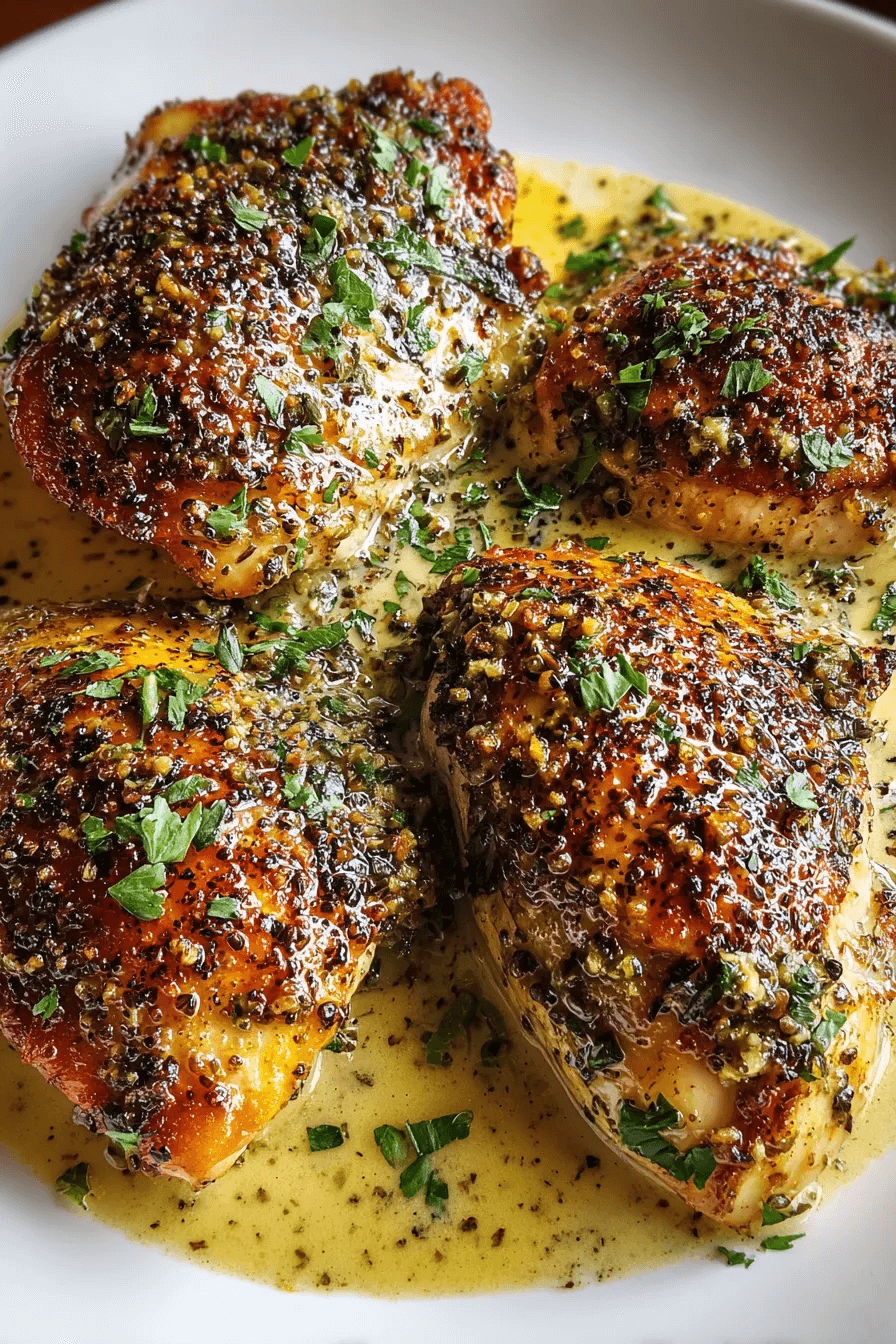
The mustard sauce in this French Mustard Chicken recipe is the heart of the dish. It’s crafted with Dijon and whole grain mustard that together create an irresistible, multifaceted flavor. This sauce not only envelops the chicken in a creamy embrace but also has a unique tanginess that complements the chicken’s richness beautifully. The key to a remarkable mustard sauce lies in balancing the creaminess with acidity and zest.
Pairing Options for a Complete Meal
Serving French Mustard Chicken is all about balance. Consider pairing it with creamy mashed potatoes or a light, citrusy green salad to contrast the rich sauce. Another excellent side is crusty bread, perfect for mopping up the delicious mustard sauce. For a heartier meal, roasted vegetables or a warm grain salad can bring texture and variety, enhancing your dining experience.
Elevating Flavors with Fresh Herbs
While thyme is featured in the recipe, don’t hesitate to play around with fresh herbs to elevate the dish further. Fresh parsley or chives add a fresh pop that brightens the sauce and connects with traditional French cuisine principles. Adding herbs at the end of cooking provides a burst of flavor, creating a restaurant-worthy dish right at home.
FAQs
What if the sauce becomes too thick during cooking?
If the sauce thickens too much, gradually add more chicken broth or cream until the desired consistency is reached, stirring continuously.
How can I adjust the mustard flavor to be milder?
To reduce the mustard flavor, you can add additional heavy cream or broth. This dilution will soften the intensity while still preserving the sauce's essence.
Is it possible to use chicken breasts instead of thighs?
Yes, chicken breasts can be used, but monitor the cooking time closely as breasts cook faster and can dry out more easily than thighs.
Can I use other types of mustard?
Yes, you can substitute with spicy or honey mustard for a different flavor profile, but adjust quantities based on personal taste preferences.
What’s the best way to know if the chicken is done cooking?
Use a meat thermometer to check for an internal temperature of 165°F or ensure that the juices run clear when pierced.
How can I make the sauce spicier?
To add some heat, consider mixing in a pinch of cayenne pepper or a splash of hot sauce, adjusting to your desired spice level.
Conclusion
French Mustard Chicken is more than just a meal; it's an experience. The combination of flavors and textures can transport you to the streets of France. With straightforward preparation and quality ingredients, you can bring this timeless dish into your kitchen.
Whether you’re cooking for family or entertaining guests, this recipe allows you to showcase culinary skills while delighting taste buds. Dive into this recipe and enjoy the rich flavors of French cuisine right at home.
Recipe Card
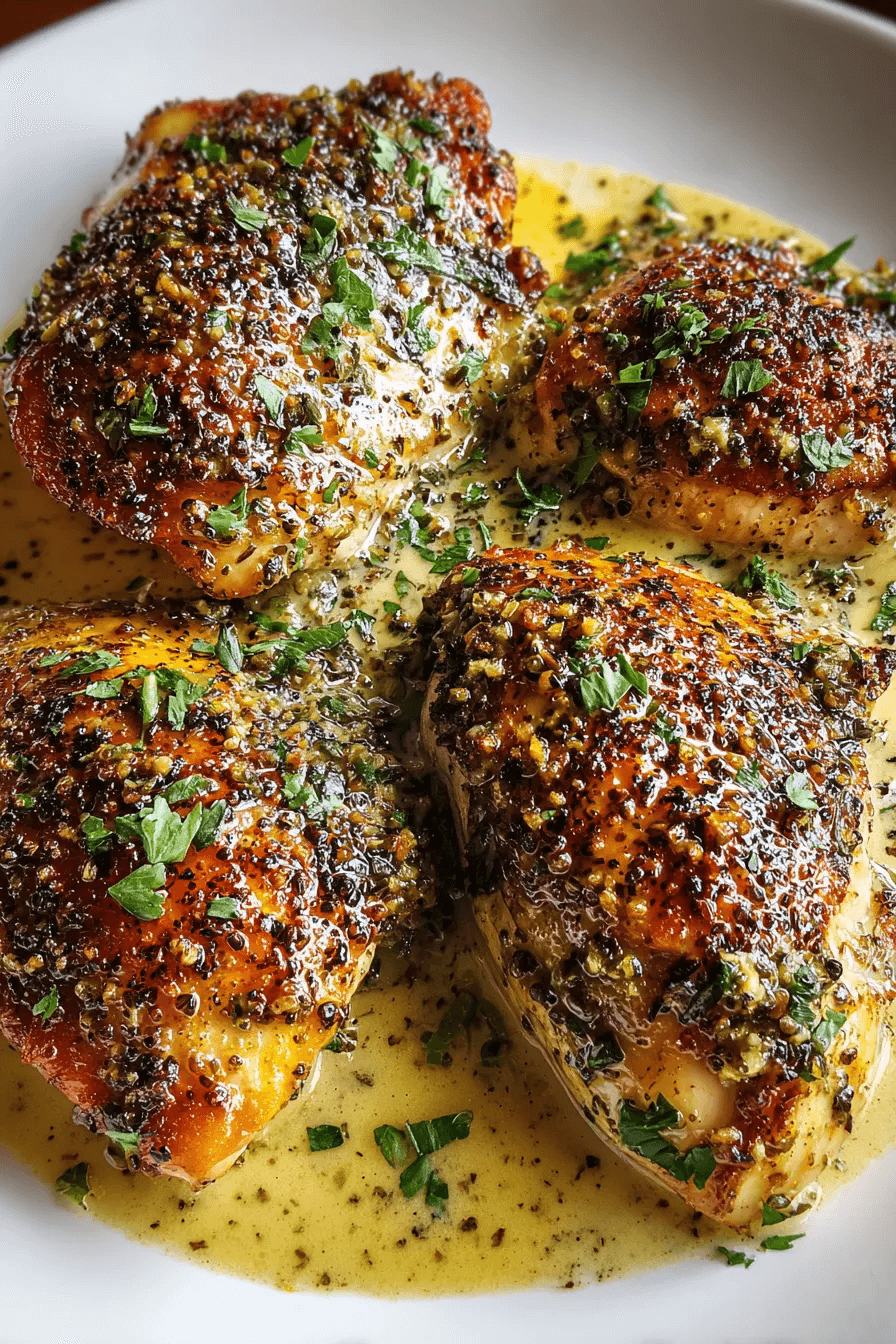
Elevate Dinner with Flavorful French Mustard Chicken
Ingredients
Method
- Season the chicken thighs with salt and pepper.
- Heat olive oil in a large skillet over medium-high heat.
- Sear the chicken for about 5-7 minutes on each side.
- Remove the chicken from the skillet and set it aside.
- In the same skillet, add minced garlic and sauté for 1-2 minutes.
- Add the Dijon and whole grain mustard, stirring to combine.
- Pour in the heavy cream and chicken broth, stirring until smooth.
- Return the chicken to the skillet and add thyme.
- Simmer for 15-20 minutes until the chicken is cooked through.
- Taste and adjust seasoning if necessary.
- Serve warm, garnished with fresh herbs if desired.
Notes
Additional serving suggestions: pair with a crisp salad, garlic bread, or roasted seasonal vegetables for balance.
For make-ahead, prep components separately and assemble just before heating to preserve texture.
Taste and adjust with acid (lemon/vinegar) and salt right at the end to wake up flavors.