Introduction
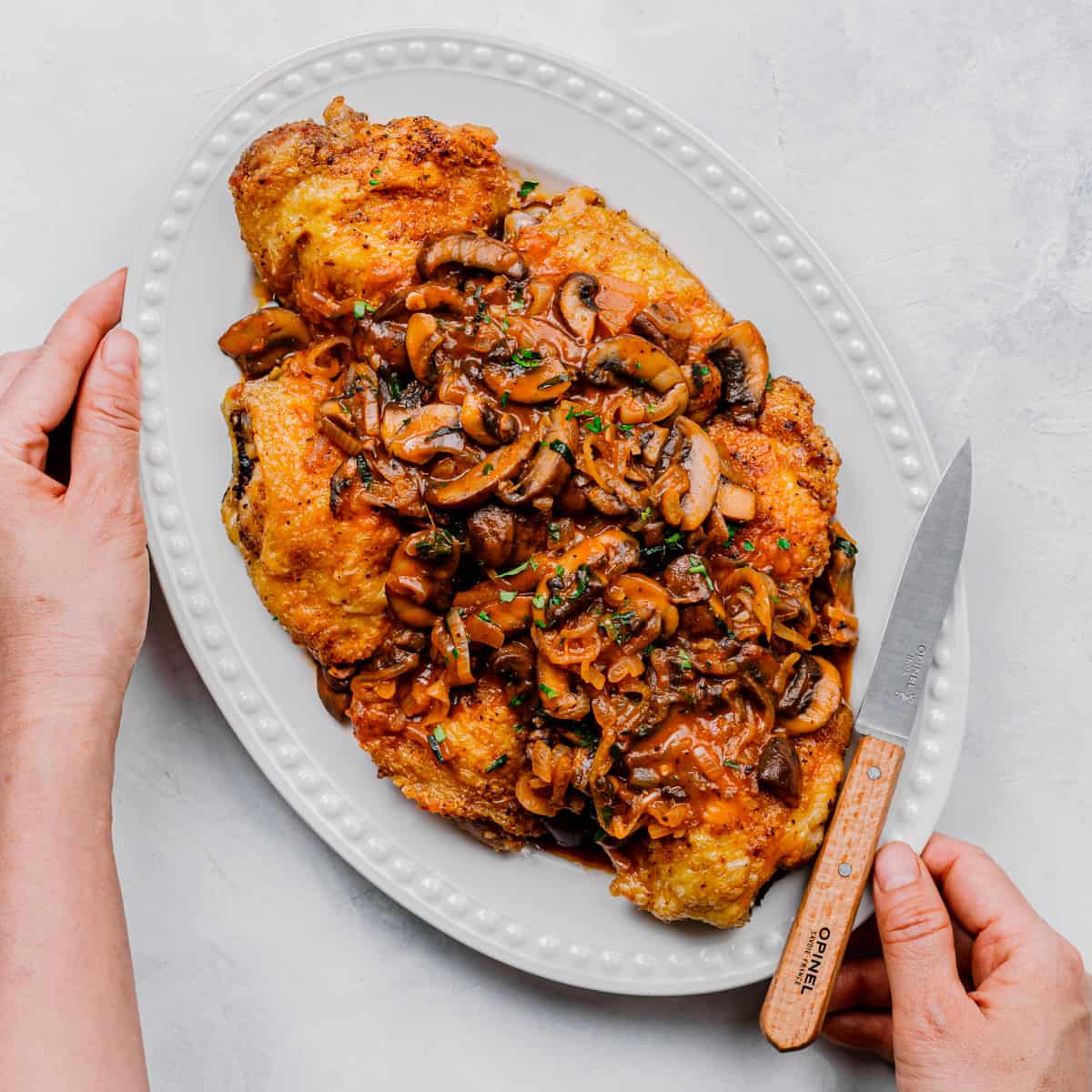
Hunter's Chicken, or 'Coq au Vin,' is a rustic French dish that captures the essence of country cooking. Traditionally, it highlights the art of braising, where chicken melds beautifully with red wine, herbs, and vegetables. The dish is epitomized by its rich, complex flavors that develop during the slow cooking process.
This meal is often associated with hunters returning with their game, ready to be transformed into a comforting feast. Not just for special occasions, Hunter's Chicken is an excellent choice for family dinners or gatherings, showcasing both elegance and simplicity in French cuisine. As you delve into this delightful dish, you'll appreciate the gradual layering of flavors that make each bite unforgettable.
Ingredients
- 4 chicken thighs, skin-on
Chicken thighs offer a richer flavor and remain moist during cooking thanks to their higher fat content compared to breasts. Their dark meat is ideal for slow braising, absorbing the wine and herb flavors effectively. - 4 chicken drumsticks, skin-on
Similar to thighs, drumsticks contribute to the dish's depth with their tender meat and crispy skin. The combination of thighs and drumsticks ensures a satisfying variety of textures and tastes. - 1 cup red wine (preferably Burgundy)
Red wine is crucial for the braising process, enriching the sauce with its tannins and acidity. It also enhances the overall flavor profile, giving the dish its signature depth—select a wine you would enjoy drinking. - 1 cup chicken stock
Chicken stock adds moisture and depth to the braising liquid. It enhances the flavor base and ensures that the chicken remains juicy and tender throughout the cooking process. - 2 tablespoons tomato paste
Tomato paste introduces a subtle sweetness and acidity, balancing the richness of the chicken and wine. It thickens the sauce and adds an appealing color. - 2 cloves garlic, minced
Garlic infuses the dish with aromatic depth, complementing the wine and herbs. It adds a robust flavor that enriches the overall profile of the dish. - 1 onion, chopped
Onions serve as a foundational flavor, sweetening as they caramelize. They add texture and balance to the dish, blending seamlessly with the other ingredients. - 2 carrots, sliced
Carrots not only add sweetness but also provide a pop of color and nutrition. They absorb the flavors of the braising liquid, making them a delightful addition. - 1 cup mushrooms, sliced
Mushrooms bring an earthy element that complements the richness of the chicken and wine. They absorb the sauce well, intensifying their umami flavor. - 2 sprigs fresh thyme
Fresh thyme imparts a pleasant herby fragrance and flavor, elevating the dish's complexity. It pairs naturally with both chicken and wine. - 2 bay leaves
Bay leaves add aromatic depth to the braising liquide. They release essential oils that enhance the subtlety of flavors in the dish. - Salt and pepper to taste
Seasoning is crucial in bringing all the flavors together. Adjusting salt and pepper throughout the cooking process ensures balance and enhances the overall taste.
Directions & Preparation
Step 1: Prepare the chicken
Start by patting dry the chicken thighs and drumsticks, then season them generously with salt and pepper. This initial step is crucial as it helps in forming a delicious crust when you sear the chicken. Proper seasoning enhances the chicken's natural flavors and ensures every bite is flavorful.
Step 2: Sear the chicken pieces
In a large Dutch oven, heat a tablespoon of oil over medium-high heat. Add the chicken skin-side down and sear until golden brown, approximately 5-7 minutes. This step creates a beautiful crust that adds texture and flavor to the dish. The rendered fat will contribute to the overall richness of the sauce.
Step 3: Remove the chicken and sauté vegetables
Once the chicken is browned, remove it from the pot and set it aside. In the remaining fat, sauté the chopped onion, garlic, sliced carrots, and mushrooms for about 5-10 minutes until they soften. This process builds the flavor base, allowing the vegetables to caramelize and release their natural sweetness.
Step 4: Add the tomato paste and deglaze
Stir in the tomato paste and cook for about 2 minutes before adding the red wine. This helps to develop a deep flavor and allows the paste to cook down, bringing out its sweetness. Deglazing with wine will lift the flavorful brown bits stuck to the bottom of the pot.
Step 5: Incorporate liquid ingredients and herbs
Pour in the chicken stock and bring the mixture to a gentle simmer. Add the thyme sprigs and bay leaves. This step ensures that your dish will have a robust sauce for the chicken to braise in. Bring everything to a simmer for the flavors to meld beautifully.
Step 6: Return the chicken to the pot
Nestle the browned chicken pieces skin-side up back into the pot. Ensure they are partially submerged in the liquid. This step allows the chicken to absorb all the aromatic flavors, ensuring juicy and well-seasoned meat.
Step 7: Cover and braise
Cover the pot with a lid and reduce the heat to low. Allow the chicken to braise for about 45-60 minutes, or until it is fork-tender. This slow cooking method is vital as it breaks down the fibers in the chicken, infusing the meat with flavor and ensuring a tender texture.
Step 8: Adjust seasoning and serve
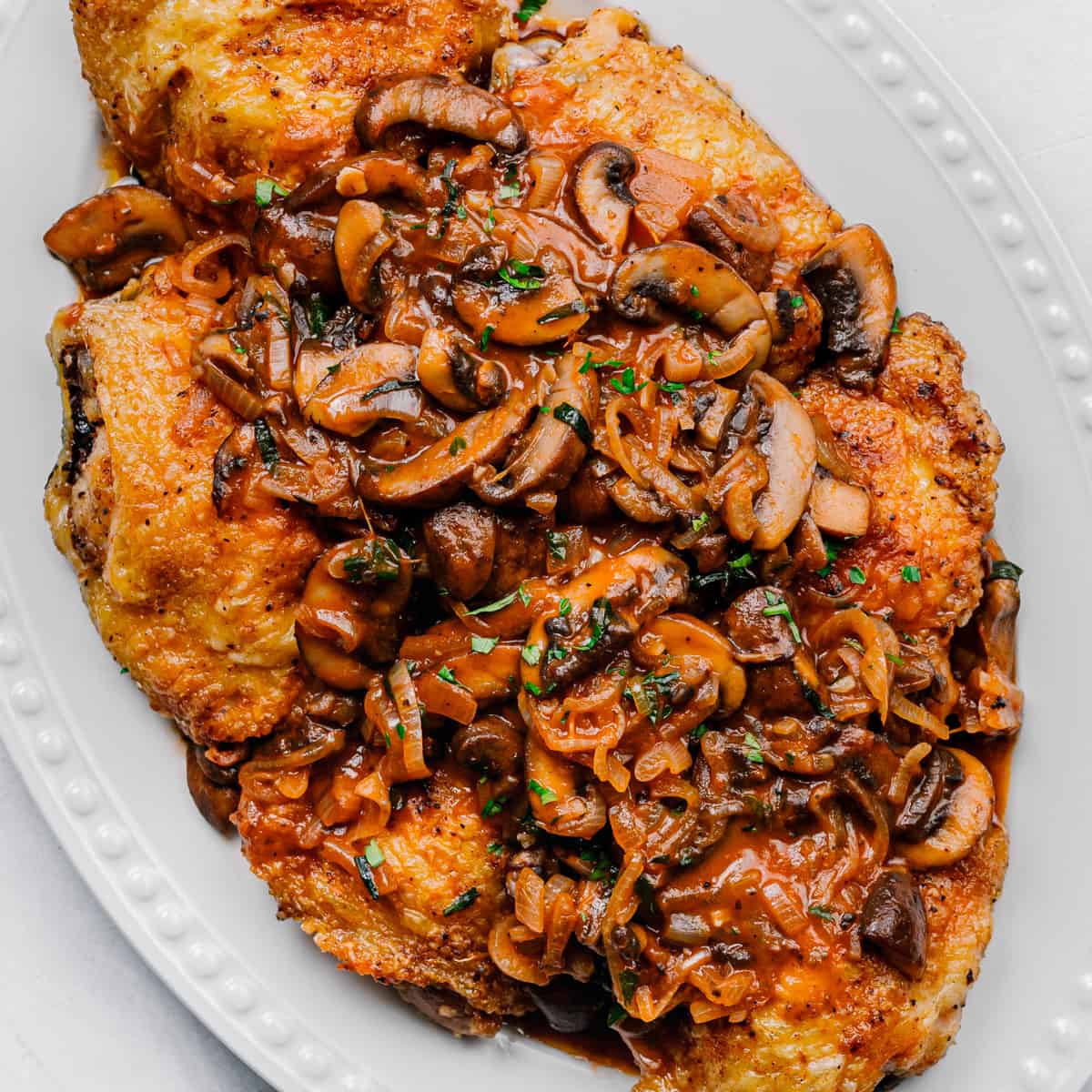
Once cooked, taste the sauce for seasoning and adjust with additional salt and pepper as needed. You can also remove the bay leaves and thyme stems at this time. Serving it hot with crusty bread or over creamy mashed potatoes will elevate the dish further, soaking up all the delicious sauce!
Choosing the Right Wine for the Dish
The choice of wine impacts the flavor profile of Hunter’s Chicken significantly. Opt for a quality Burgundy or a medium-bodied red wine that complements the dish's richness without overshadowing the other ingredients. A good rule of thumb is to choose a wine that you would enjoy drinking on its own. It's important to remember that the wine flavors will concentrate during the cooking process, so a balanced wine will yield the best results.
The Importance of Umami in Marinades
Umami is the essence of savoriness, and in a dish like Hunter’s Chicken, it plays a pivotal role. Ingredients like mushrooms and tomato paste contribute umami flavors that perfectly complement the chicken and wine. Consider marinating the chicken in a bit of red wine before cooking to enhance these flavors further. This extra step will help bring out the deep, savory taste that defines this classic French dish.
Serving Suggestions to Enhance the Experience
Hunter’s Chicken is perfect with crusty French bread to soak up the rich sauce. For a heartier meal, consider pairing it with creamy mashed potatoes or buttered noodles. A fresh green salad dressed lightly with vinaigrette can also provide a refreshing contrast to the richness of the chicken, balancing the meal beautifully.
FAQs
What adjustments can I make if the sauce is too thin?
If you find the sauce too thin, consider simmering it uncovered for a few additional minutes to allow excess liquid to evaporate. Alternatively, you can create a slurry with cornstarch and a little cold water, then stir it into the simmering sauce to thicken it.
How can I infuse more flavor into the chicken?
For more flavor, marinate the chicken thighs and drumsticks in red wine, garlic, and herbs for several hours or overnight before cooking. This adds depth to the chicken and enhances the overall savoriness.
Is it necessary to brown the chicken?
Browning the chicken is essential to build flavor and texture. It creates a delectable crust while also contributing to the overall richness of the dish, making it worthwhile to take this time.
What can I do if the dish tastes bland?
If your dish turns out bland, try adding a splash of vinegar or a squeeze of lemon juice to brighten the flavors. Also, make sure to adjust seasonings with salt and pepper, and consider adding more herbs.
Can I use different vegetables in this recipe?
Yes, you can customize the vegetables according to your preference. Peas, parsnips, or even potatoes can be added for different textures and flavors, but consider their cooking times so they don't become mushy.
What should I do if the chicken is overcooked?
If the chicken becomes overcooked and dry, try slicing it and serving it in a generous amount of sauce. Adding a bit of chicken stock or a splash of cream can also help to moisten the meat.
Conclusion
Classic French Hunter’s Chicken is more than just a meal; it’s a celebration of flavors and tradition that brings warmth and comfort to any table. The slow braising method creates a dish where every bite unravels layers of taste, making it perfect for family gatherings or cozy dinners.
Embrace the rustic charm of this recipe, allowing it to transport you to the heart of the French countryside. So gather your ingredients, invite loved ones, and enjoy the gratifying experience of creating and sharing this iconic dish.
Recipe Card
Savoring the Rich Flavors of Hunter’s Chicken
Ingredients
Method
- Prepare the chicken
- Sear the chicken pieces
- Remove the chicken and sauté vegetables
- Add the tomato paste and deglaze
- Incorporate liquid ingredients and herbs
- Return the chicken to the pot
- Cover and braise
- Adjust seasoning and serve
Notes
Additional serving suggestions: pair with a crisp salad, garlic bread, or roasted seasonal vegetables for balance.
For make-ahead, prep components separately and assemble just before heating to preserve texture.
Taste and adjust with acid (lemon/vinegar) and salt right at the end to wake up flavors.